Art, Interrupted
Words by Hannah Nixon
“Our goal is to make buying art joyful rather than transactional,” explains Ben Crosland who, together with his partner in life and work, Stephanie Crosland-Goss, founded Interrupted Art. Their disruptive ‘try before you buy’ model is rooted in the belief that people should be free to experiment with art in their homes without the upfront, and often costly, commitment.
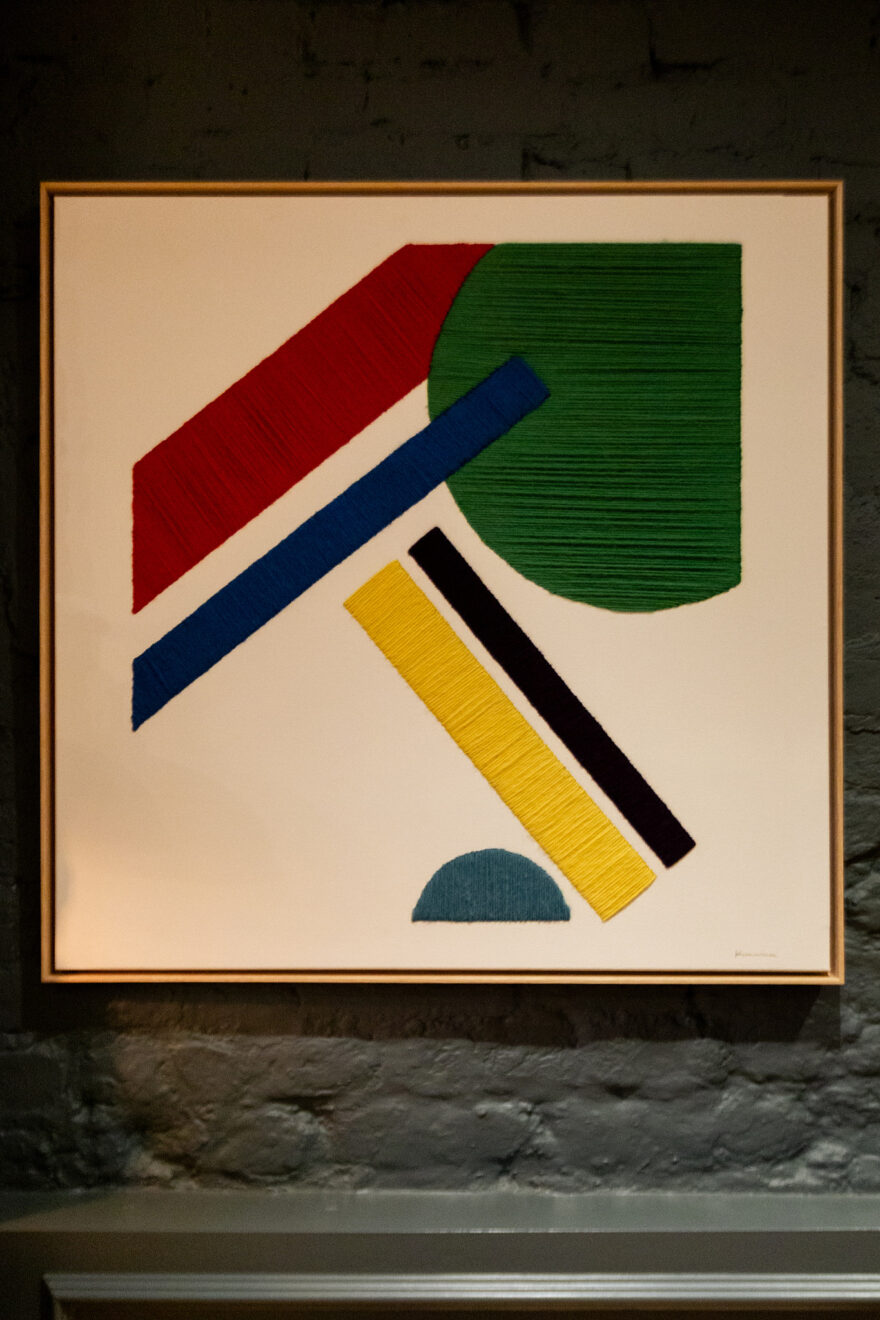
We first encountered their work in the home of Florrie Thomas, featured previously in our journal, when a colourful, punchy canvas in her kitchen caught our eye. Once the team explained their concept (“You rent an artwork for 10 weeks. While it’s on your wall, it’s yours exclusively to buy. You can choose to purchase it at any point, or simply swap it for something new”), we were quick to sign the Aucoot studio space up.
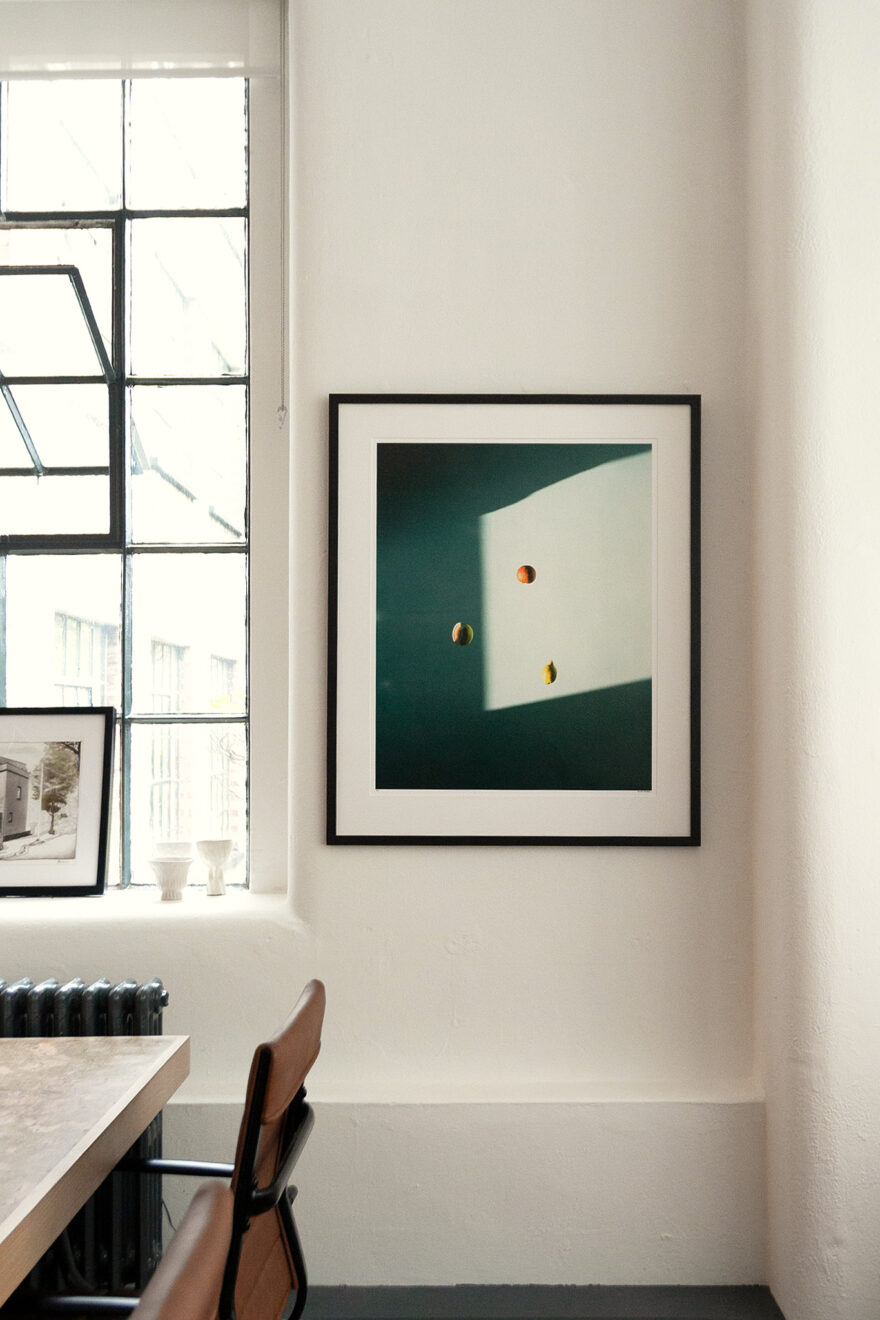
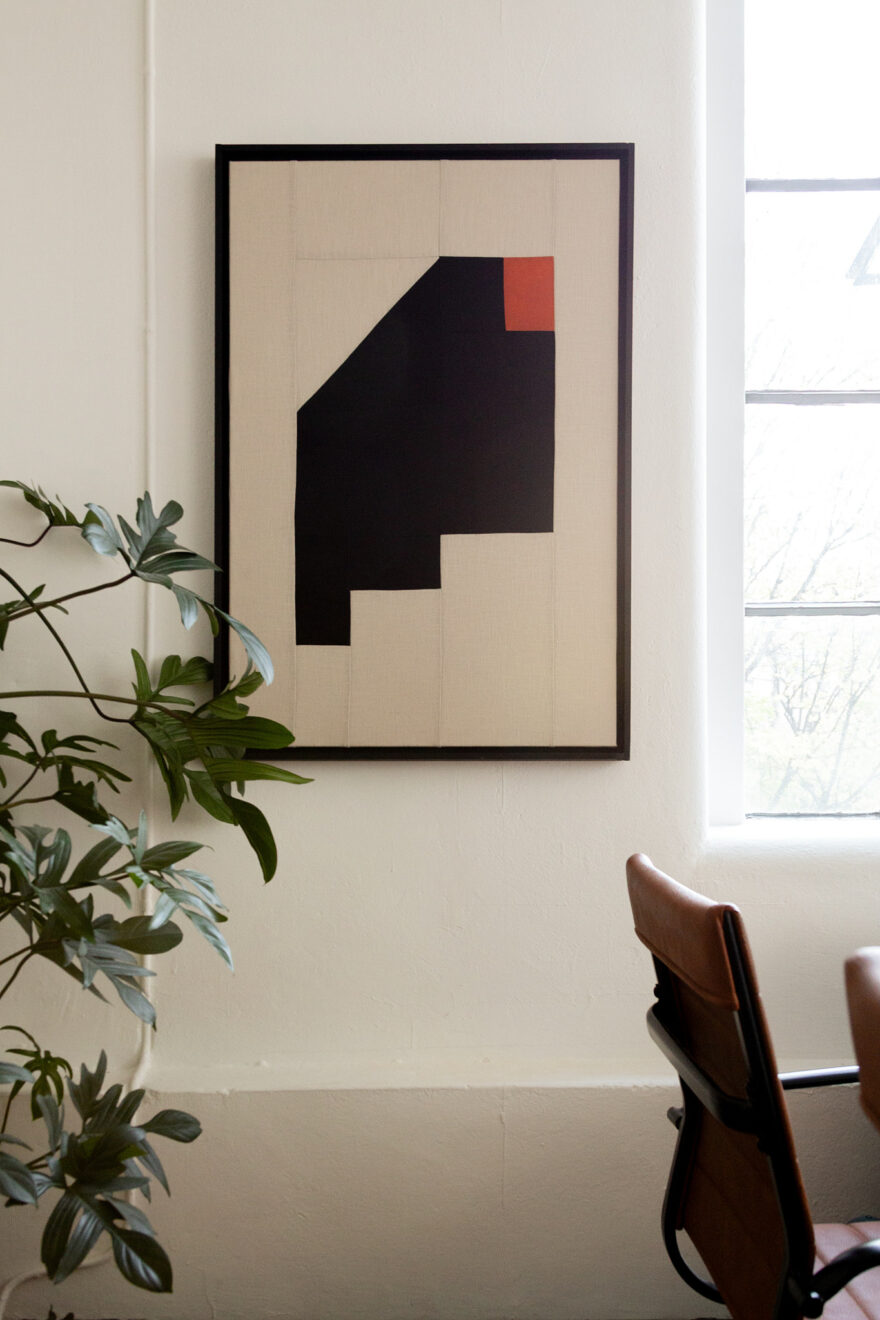
Currently displaying an architecture-themed linen canvas by Phil Shakespheare and a calming photographic print by Oliver Mayhall, we’ve experienced first-hand the expert curation and dedicated customer service Interrupted Art offers. We caught up with Stephanie and Ben in their pop-up gallery in Richmond to learn more about their life-and-work partnership, and how a traffic jam in LA planted the seeds for transforming the art-buying experience.
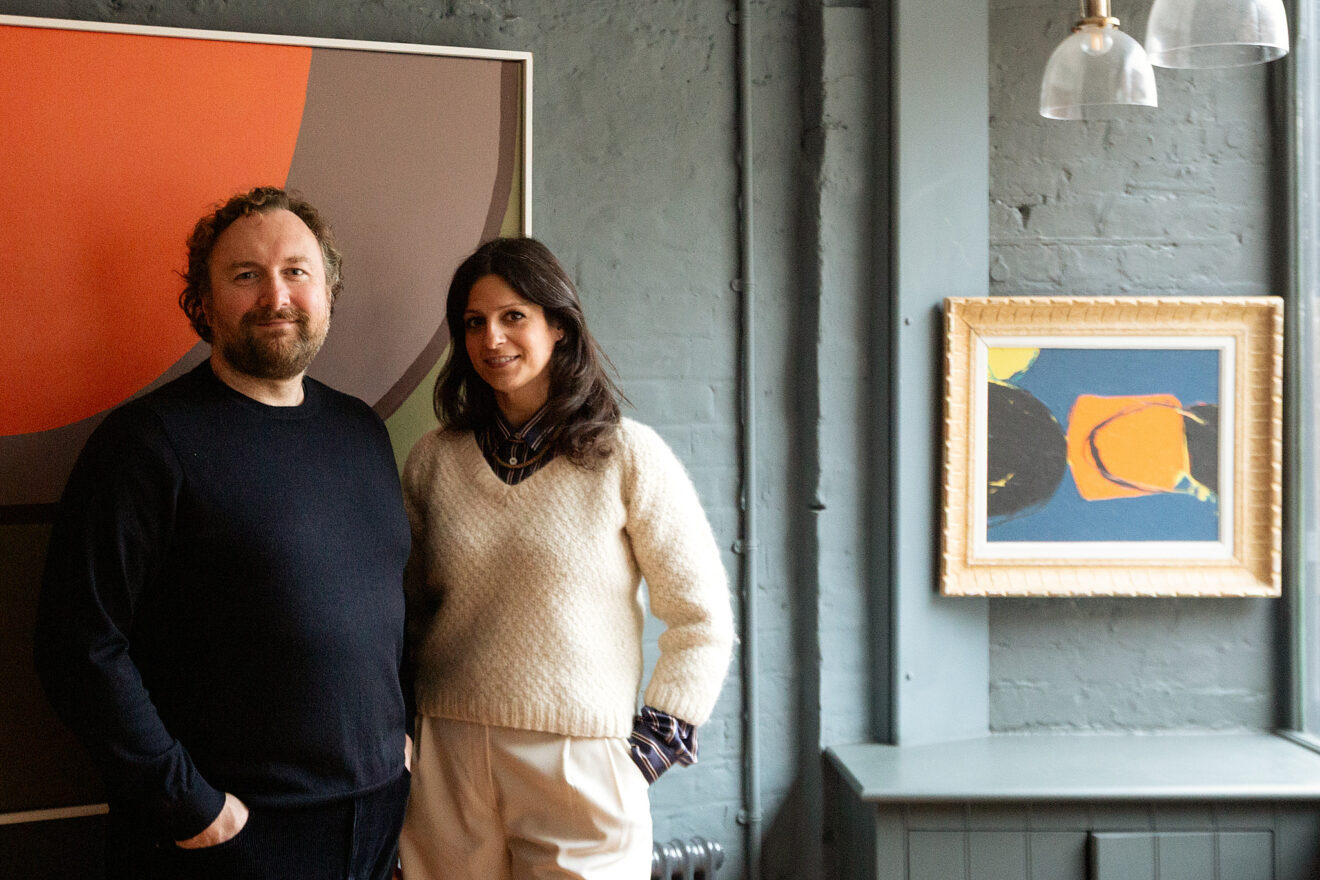
Ben: I didn’t have an art background at all. My first career was in strategic communications and politics. I advised the Treasury during the financial crisis, then worked for David Cameron in Number 10, and later for Mark Carney when he was Governor of the Bank of England.
Through Stephanie, I gradually became more exposed to the art world. Before that my interest was very basic. Just before lockdown, we were in Los Angeles in heavy traffic, talking about how strange and difficult the art market can be and how you’re expected to make snap decisions on expensive works with no way to try them at home first. It felt odd that you can test-drive a car or view a house multiple times, but not live with art before buying it. That conversation became the seed of Interrupted Art.
Stephanie: I was at Tate as an art buyer, acquiring works from the 1500s through to international modern art. I did that for about five years and also worked with private clients on building their collections, mainly in the established-artist space rather than emerging art.
Before that, I was at the British Museum, where I headed up a consultancy department advising museums and governments—mostly in the Middle East and China—on how to build museums and national collections. It was an amazing role, but very different to what we do now. One of the last projects I worked on before lockdown was a huge installation for the Turbine Hall by an artist who created floating, fish-like forms controlled by an algorithm powered by living yeast on the roof. Tate commissions a new installation every October for Frieze, and sometimes acquires them for the collection. That was one of the more unusual pieces I helped bring in.
Stephanie: We never talk about investment with emerging artists. I’ve never bought an emerging artist’s work thinking, I’m buying this because it will appreciate in value. If you’re buying art for your home, and that’s exactly what our business is about, you should buy something you love and want to live with. There’s nothing worse than owning a piece you dislike but keeping it because you’re hoping it might be worth more someday.
We do often see this dynamic play out with couples. It can feel like a therapy session: very different tastes, which is often why they haven’t bought art before. A common scenario is one partner focusing on interiors, colour, and how the home feels, while the other wants to know the return on investment. And the truth is, you just can’t give a definitive ROI on emerging work. That’s not how we approach it.
Stephanie: I’ve always loved museums and galleries. I grew up interested in Renaissance and classical art, partly because I didn’t understand contemporary work. That’s actually shaped what we do now, making contemporary art accessible through straightforward language. You don’t need specialist vocabulary; you can simply say you like the colour or that something makes you feel happy. In institutions like Tate, the language can be very academic, and I think that puts people off enjoying and buying art. Interrupted Art is the opposite of that.
Stephanie: Having a child. I’d been at Tate for five years and loved my job, and I would’ve happily stayed. But we’d always wanted to build something together, so it came from a personal place as well.
Stephanie: We actually really enjoy it. People always say, “I could never work with my partner,” but it works well for us. We have very different backgrounds and skill sets, and although we’re both opinionated, we complement each other.
Ben: We’ve developed a few rules. The main one is learning to disagree well. We also keep our roles slightly separate, which helps. We didn’t fall into this; we genuinely wanted to work together, and you have to want that for it to succeed. A lot of people think they couldn’t do it, but I think they probably could with the right boundaries.
Ben: We were really stumped on the name. Stephanie came up with it. The whole ethos of the business is founded on the idea that art has historically been hard to buy, which has alienated a lot of people. So we wanted something that suggested interrupting the market. And then Stephanie said, “How about Interrupted Art?” and I thought, “Oh yeah, that’s really good.”
Ben: It actually started because, flatteringly, our membership base is full of quite influential people, entrepreneurs, magazine editors, fashion directors…
Stephanie: We’re purposely not art-world. That’s not our audience. It’s people who are interested in all those things and most importantly, buying art slowly.
Ben: Much more work with interior designers. In 2025 we also collaborated a lot with other like-minded brands, and 2026 should see even more of that. It’s exciting because it shows our brand growth and relevance—not just in art, but in lifestyle.
We see ourselves somewhere between art, lifestyle, and interiors. We don’t want to be pigeonholed as an art company. Our goal is to help people make their homes feel spectacular. It’s about how spaces look and feel, and using art to transform them.
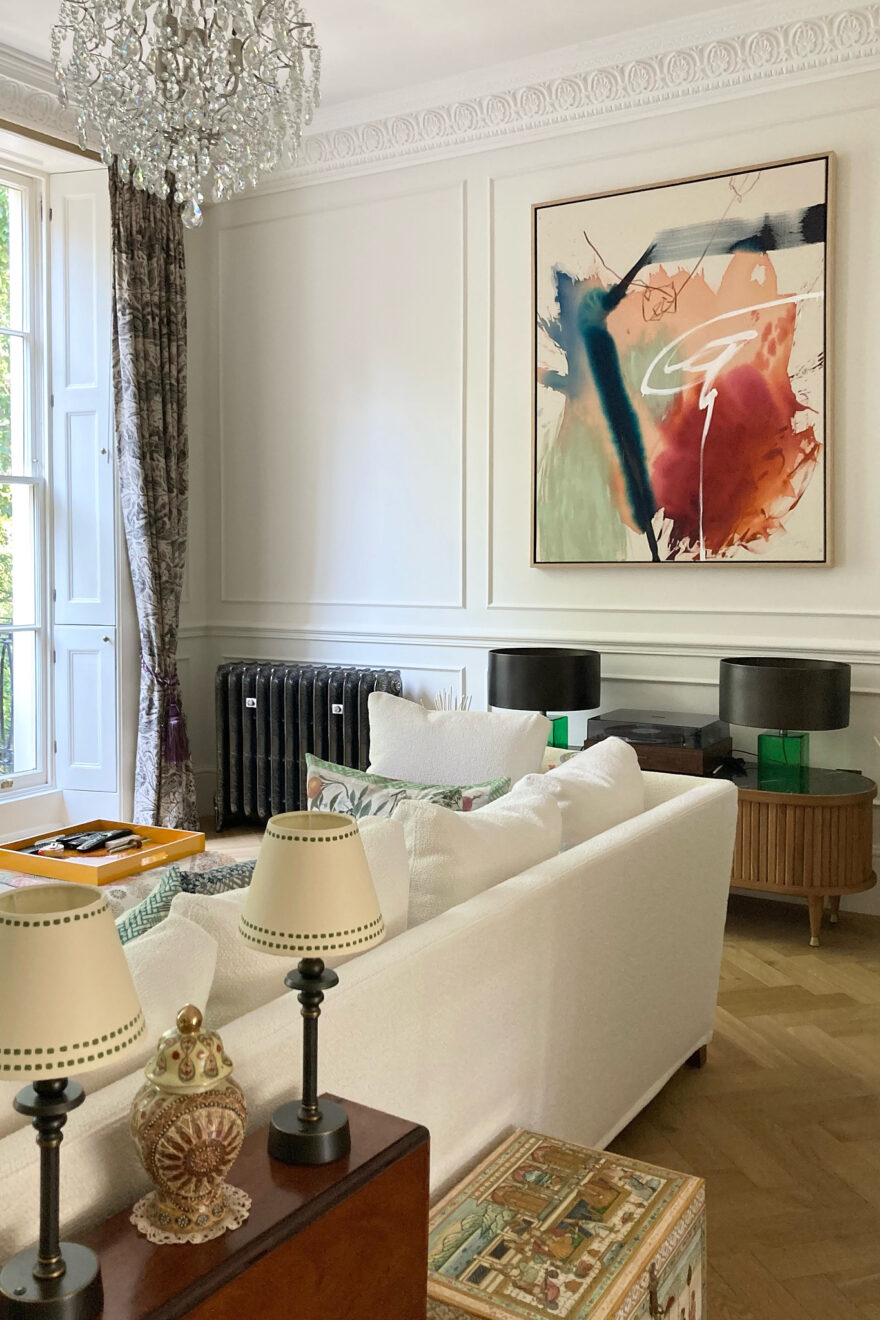
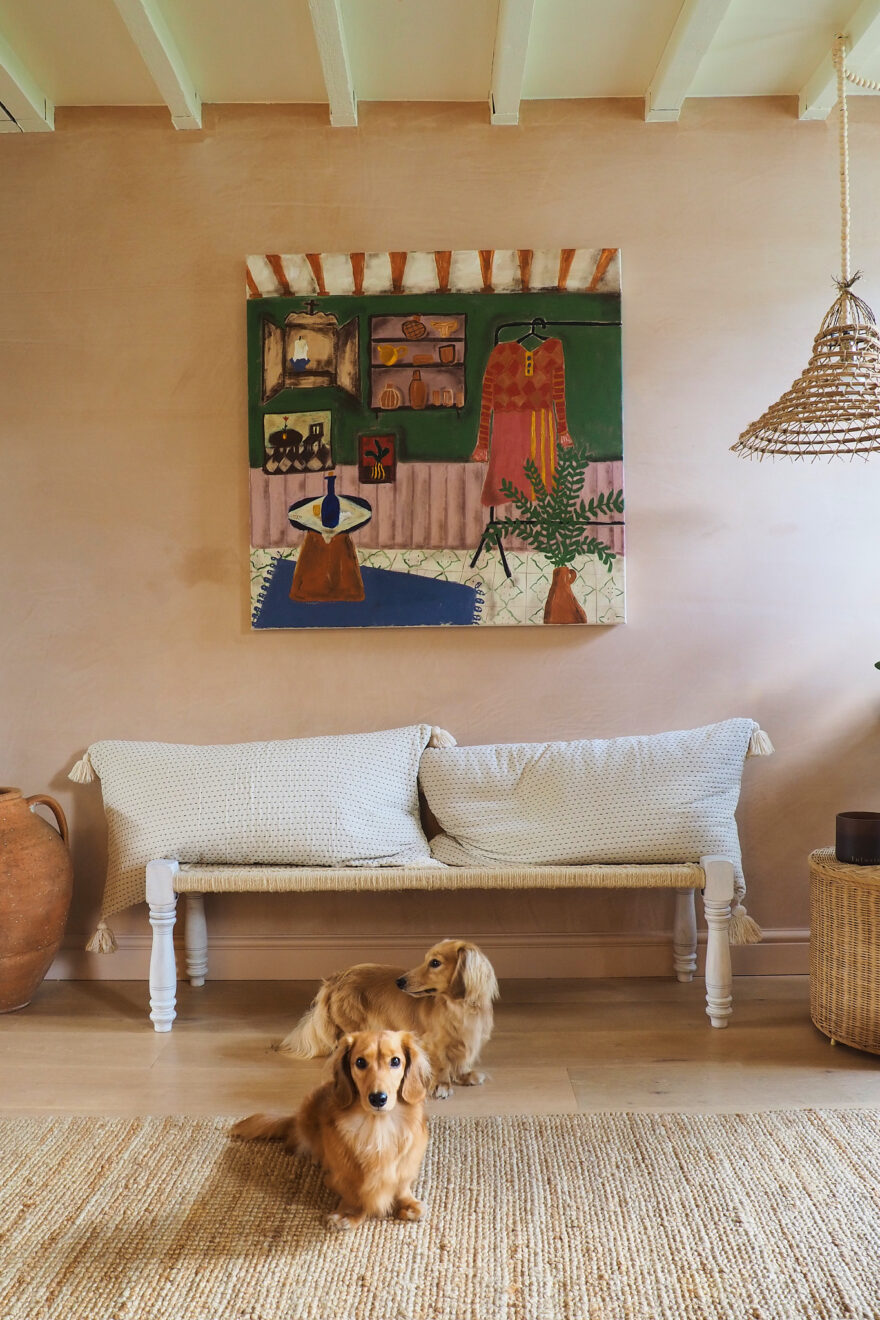
We’re very pleased to be working with Interrupted Art, who will be on hand to curate beautiful works of art in some of our listings as well as our studio. Check back to see the full reveal of our new space and see how Interrupted Art has helped us to transform it.
You can learn more about Interrupted Art here.