Celebrating a Decade of Masseria Moroseta
Words by Charlie Monaghan
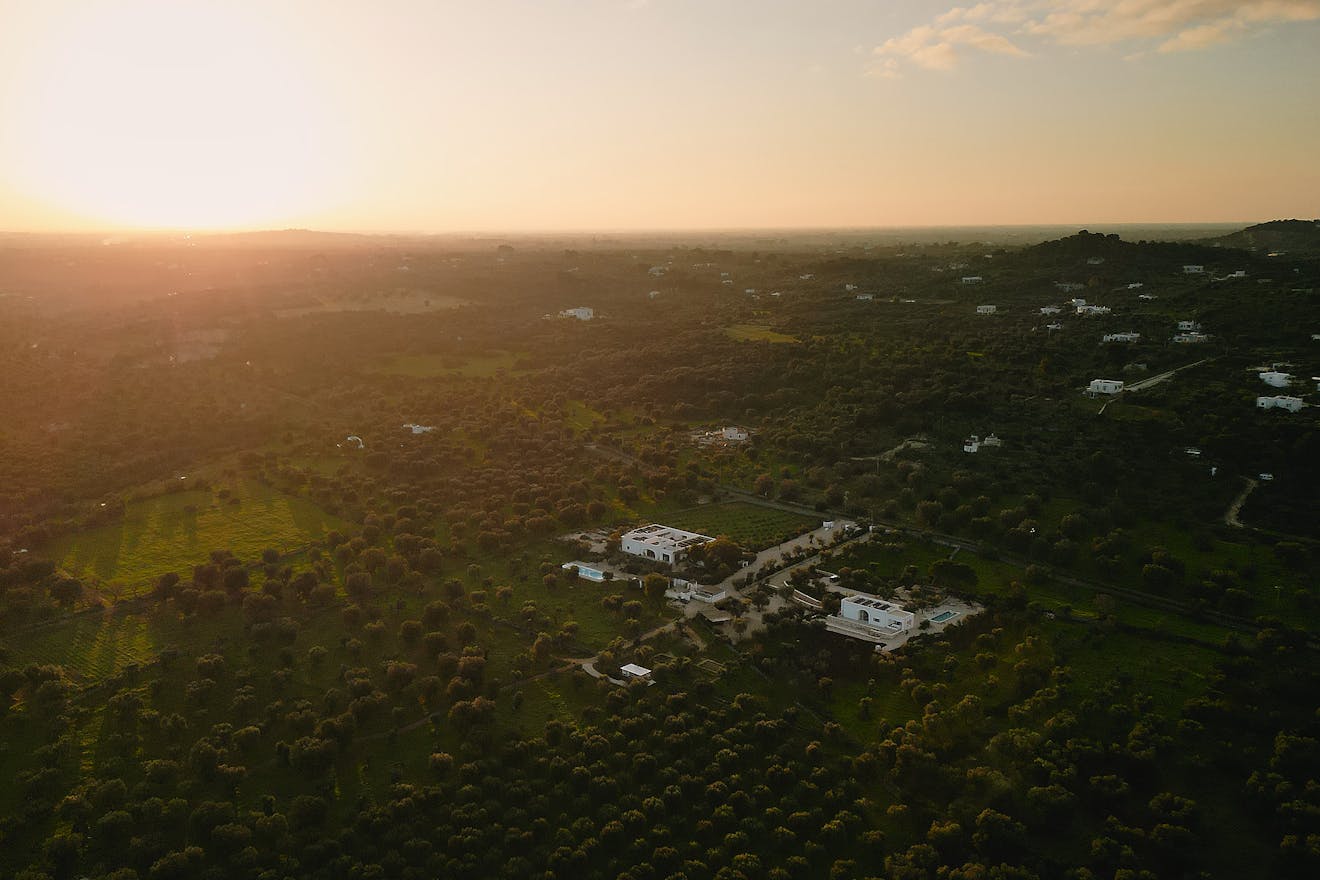
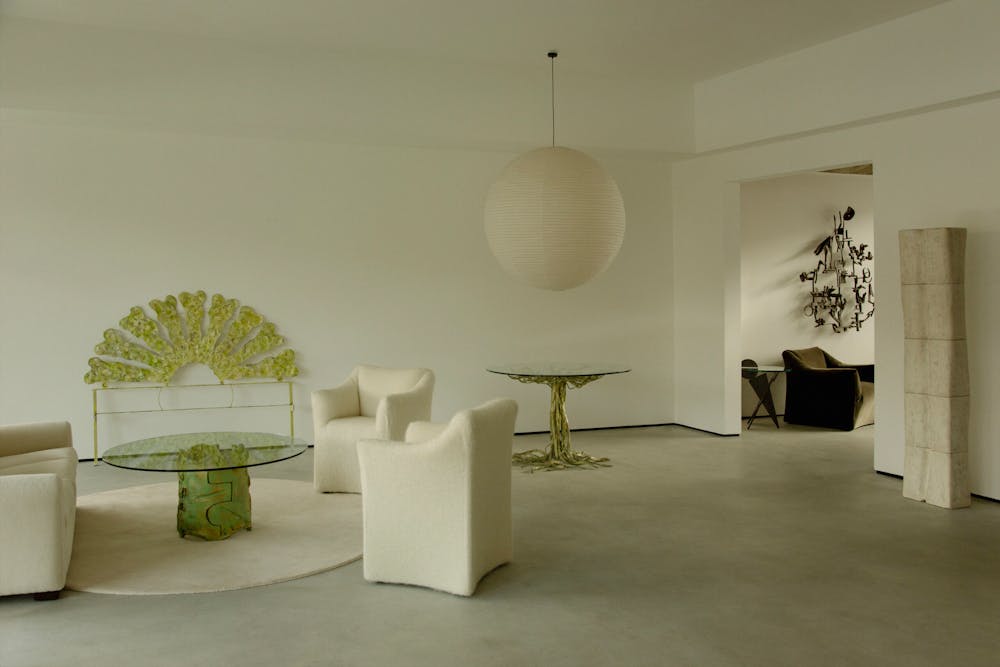
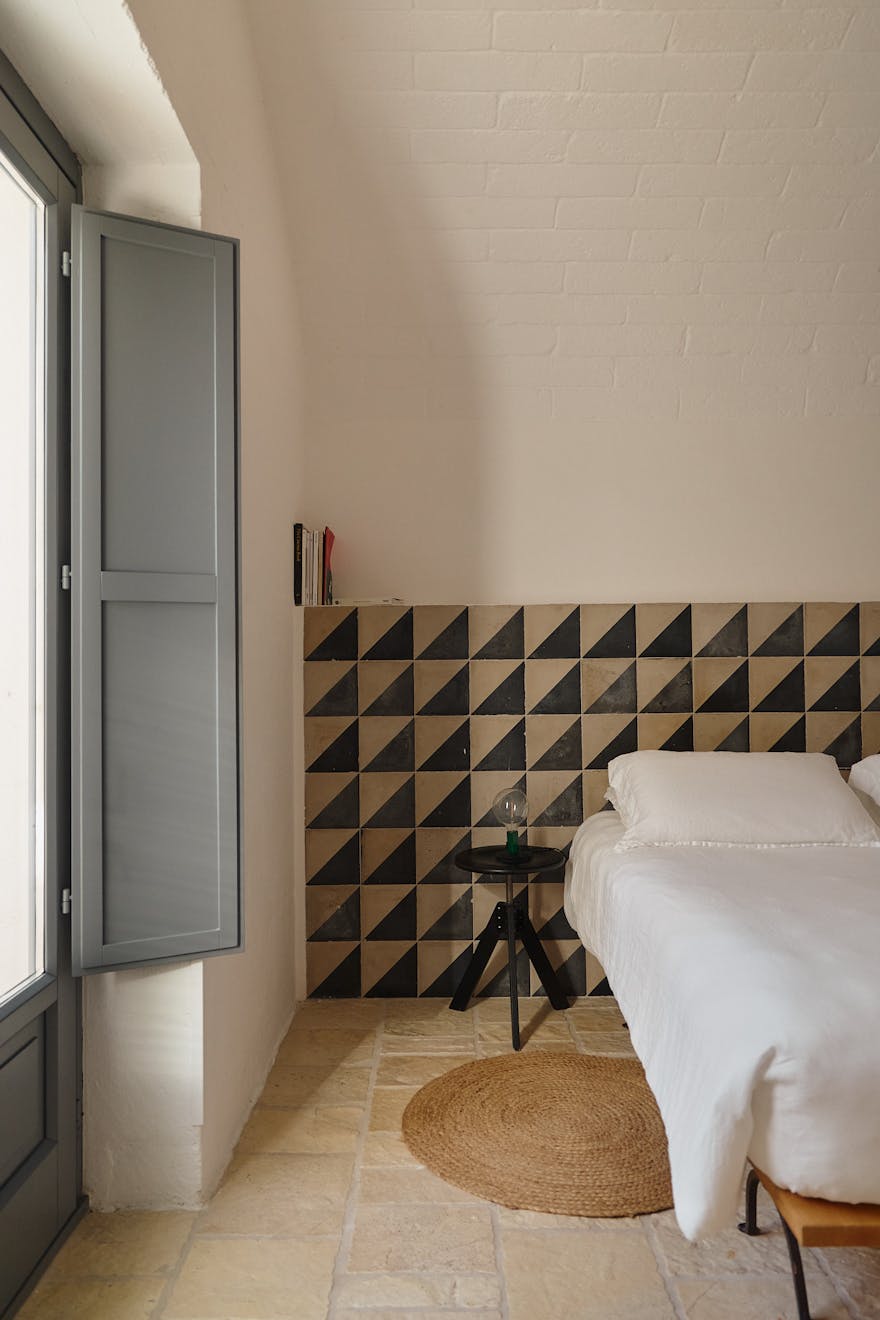
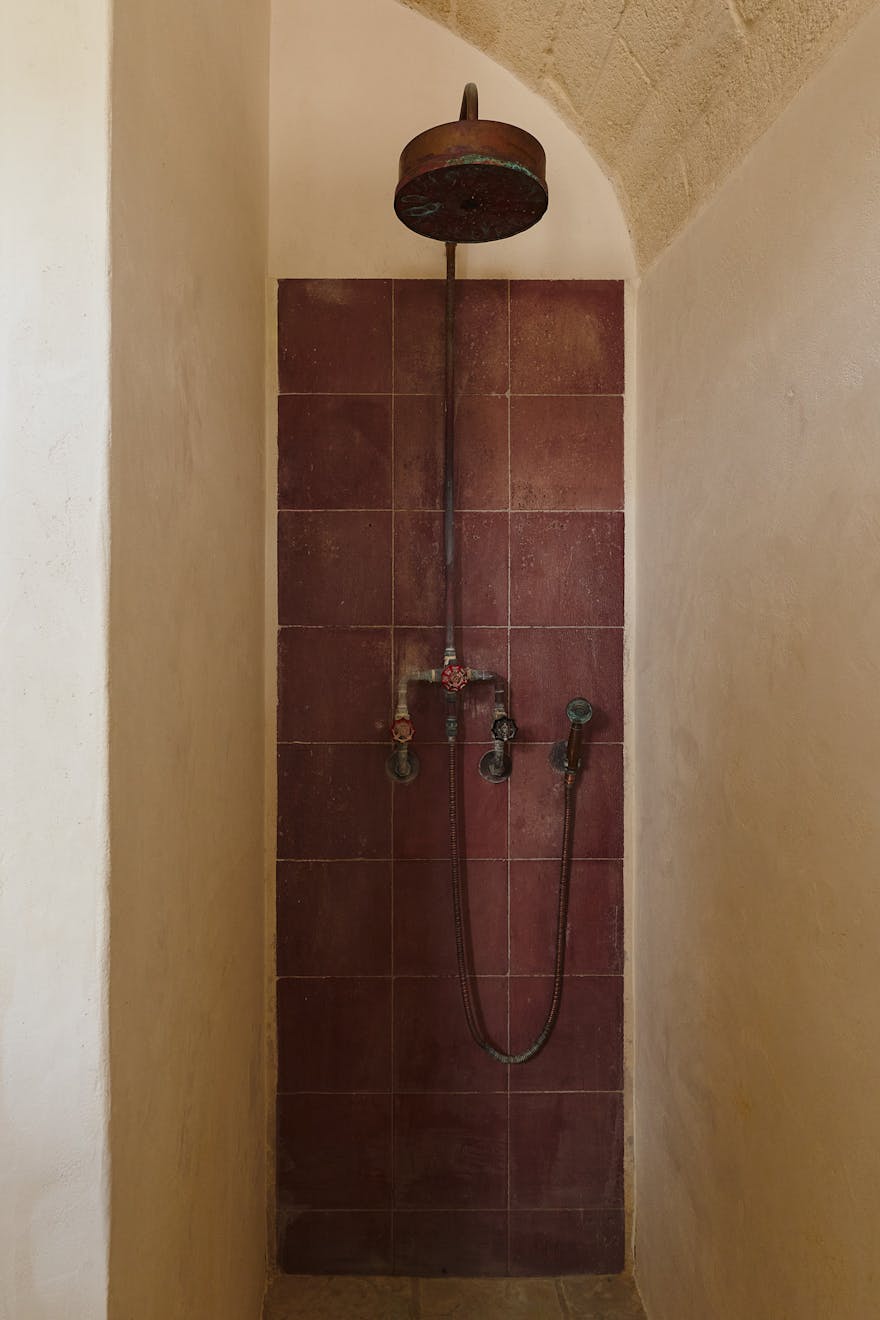
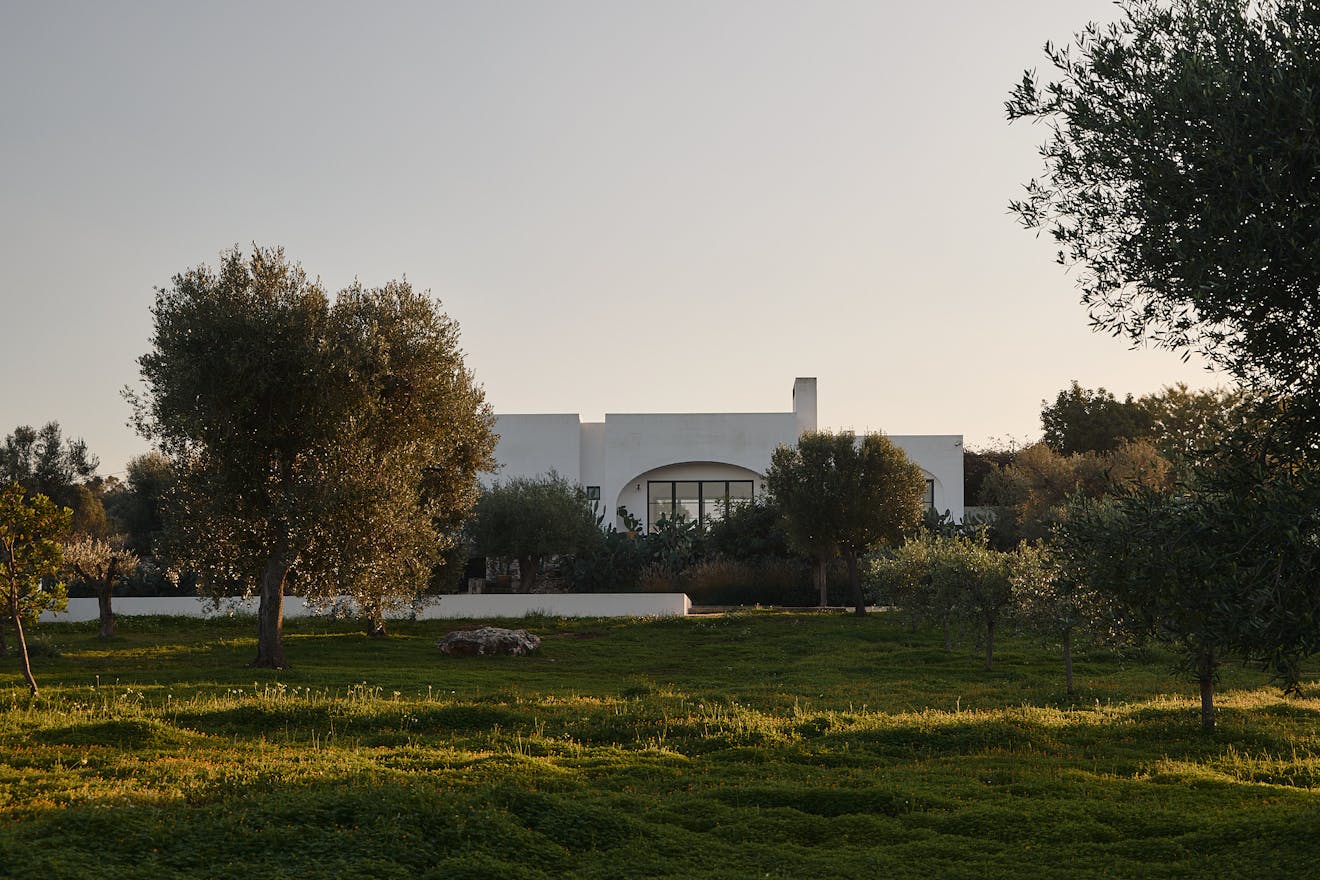
Ten years ago, we were invited to preview what was then a little-known hotel opening in Puglia, southern Italy. Writing in our Journal at the time, we described Masseria Moroseta as a guesthouse where ‘crisp modern architectural details blend seamlessly with styles and materials seen in the farmhouses of the area, giving a new twist to the local vernacular.’
All of that is still true. But Moroseta (as it is shorthand referred to) has become so much more as well. Today, it is both an intimate B&B and a celebrated dining destination, attracting an international crowd and even spawning its own cookbook, olive oil line and food workshops. It remains a reprieve for the creative set who helped spread its name, but it has also, in turn, put Puglia on the map as a holiday destination, even inspiring more than a few imitations – but no equivalents.
To experience Moroseta today – whether as a guest, visitor, diner or as part of the select few weddings that take place there each year – is to discover what so much design strives for but so little achieves: a sense of timelessness that transcends styles or trends. It’s a place where very little gets in the way of what good holidays are about: relaxation, food, nature, warm hospitality and a sense of discovery, all in a setting where every detail has been considered, but nothing is too precious.
It’s quite the achievement. So, to celebrate – and because we happened to be in the area for the successful sale of Casa Soleto by Andrew Trotter, whose first solo project was the design of Moroseta – we decided to call in on proprietor Carlo Lanzini for a catch-up. Read on to learn about how his guesthouse has evolved and matured over the past decade into a finely tuned, quietly iconic retreat…
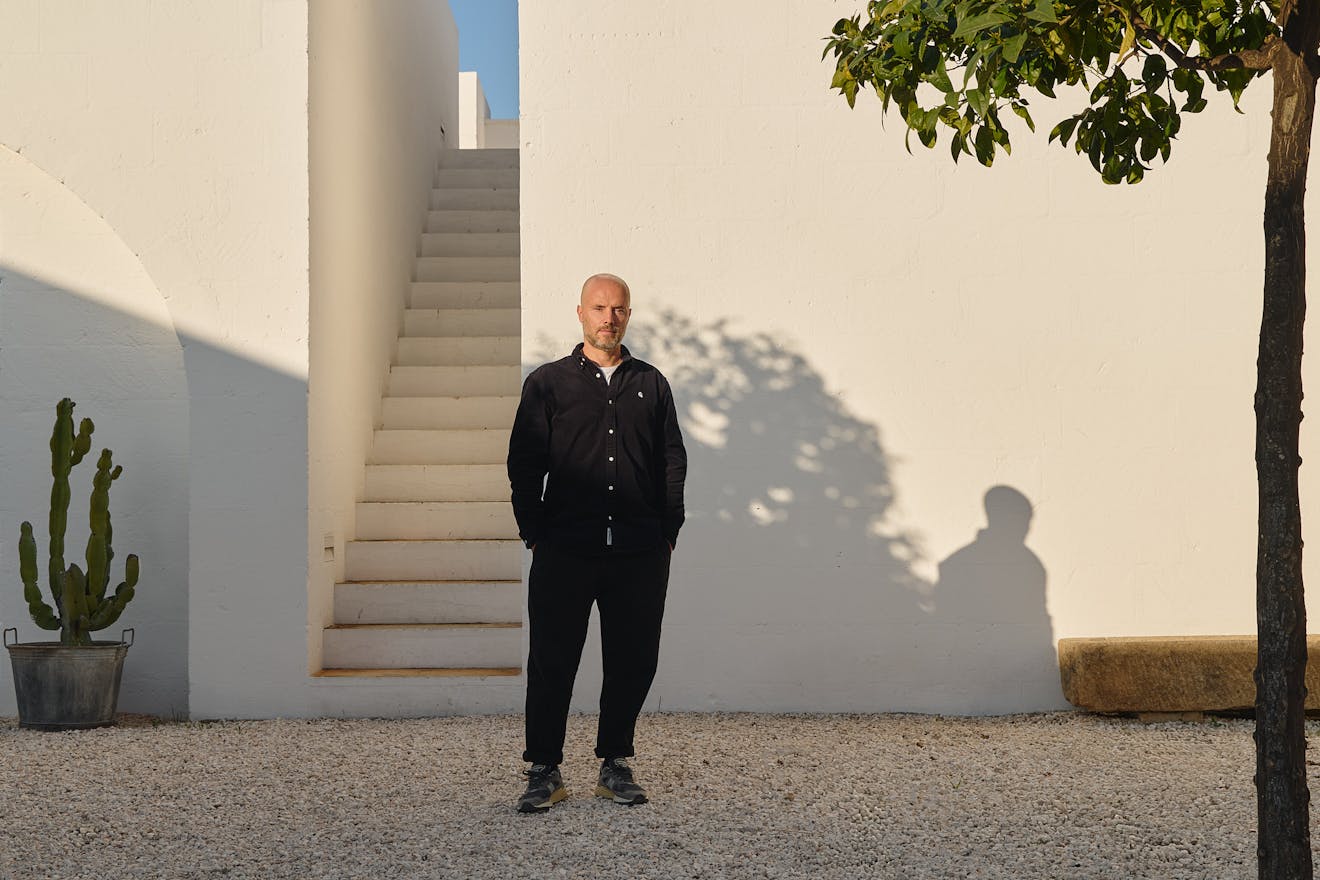
It actually started with a moment of frustration. I wasn’t happy with my life or my work in Umbria, and I remember reading a magazine piece about Puglia, which I had somehow never visited. Curiosity got the better of me. I drove down, starting in Salento, but the landscape there felt too flat for me. I’ve always needed a horizon.
On the way back north, I stopped in Ostuni and everything shifted. The next morning I woke up to that bright, almost crystalline light, the contrast of green fields and blue water, the geometry of the farmhouses. I just had this feeling: this is where I want to build something.
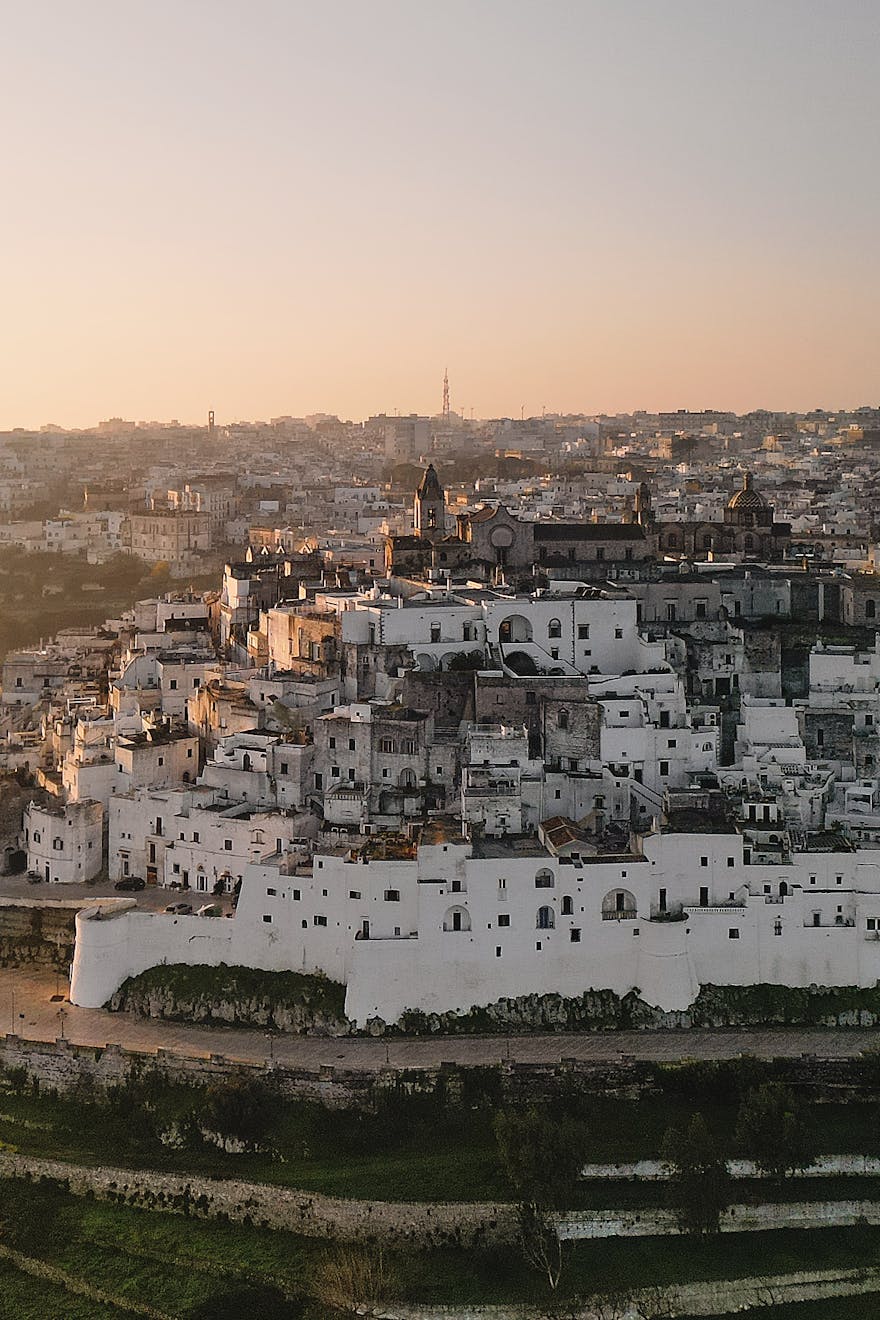
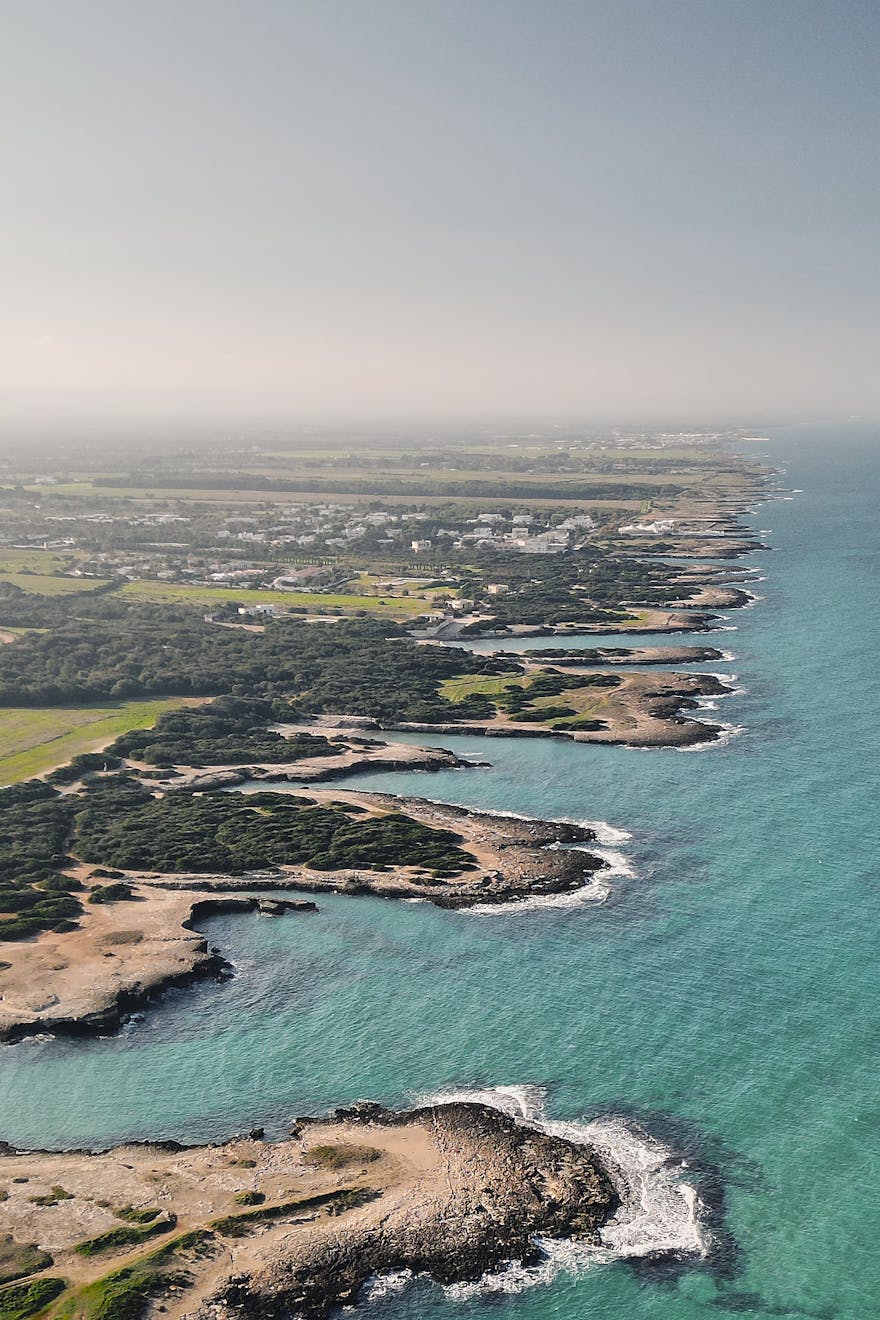
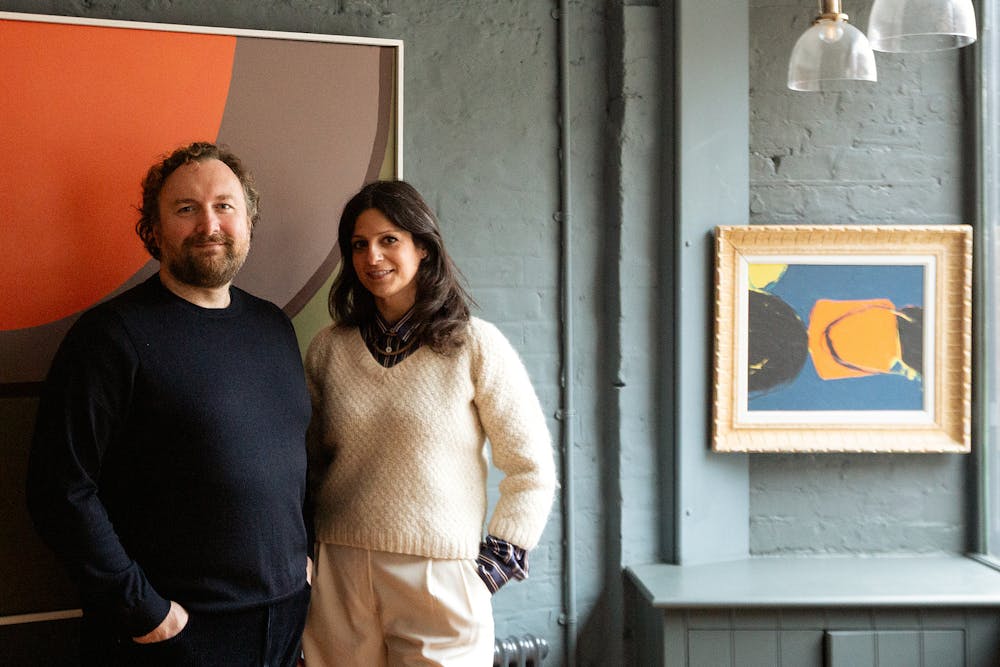
Andrew and I have been friends for around 30 years. We met in London when we were both students, spending our time wandering around exhibitions and buildings. I always knew he had a clear architectural sensibility, so when I started thinking seriously about Puglia, he was the first person I called.
We spent more than a year travelling back and forth, looking at old masserie. Some of them were enormous, some tiny, many full of unnecessary decoration. We were more inspired by the empty ones: bare rooms, honest materials. Eventually, we realised the only way to stay true to that spirit was to build from scratch, using the volume of an existing 1970s structure on the land I found. That allowed us to position the house exactly where the view opens towards the sea.
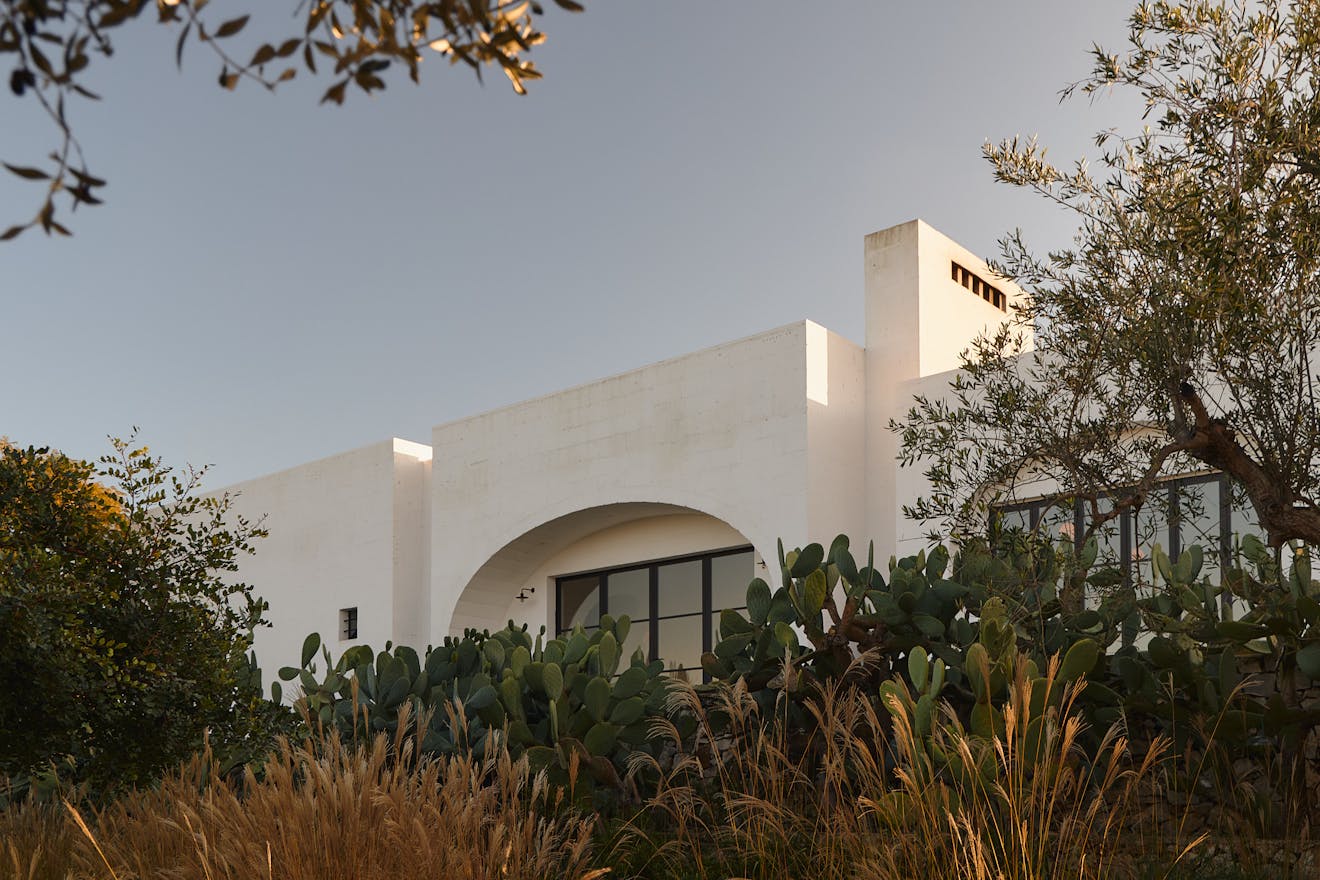
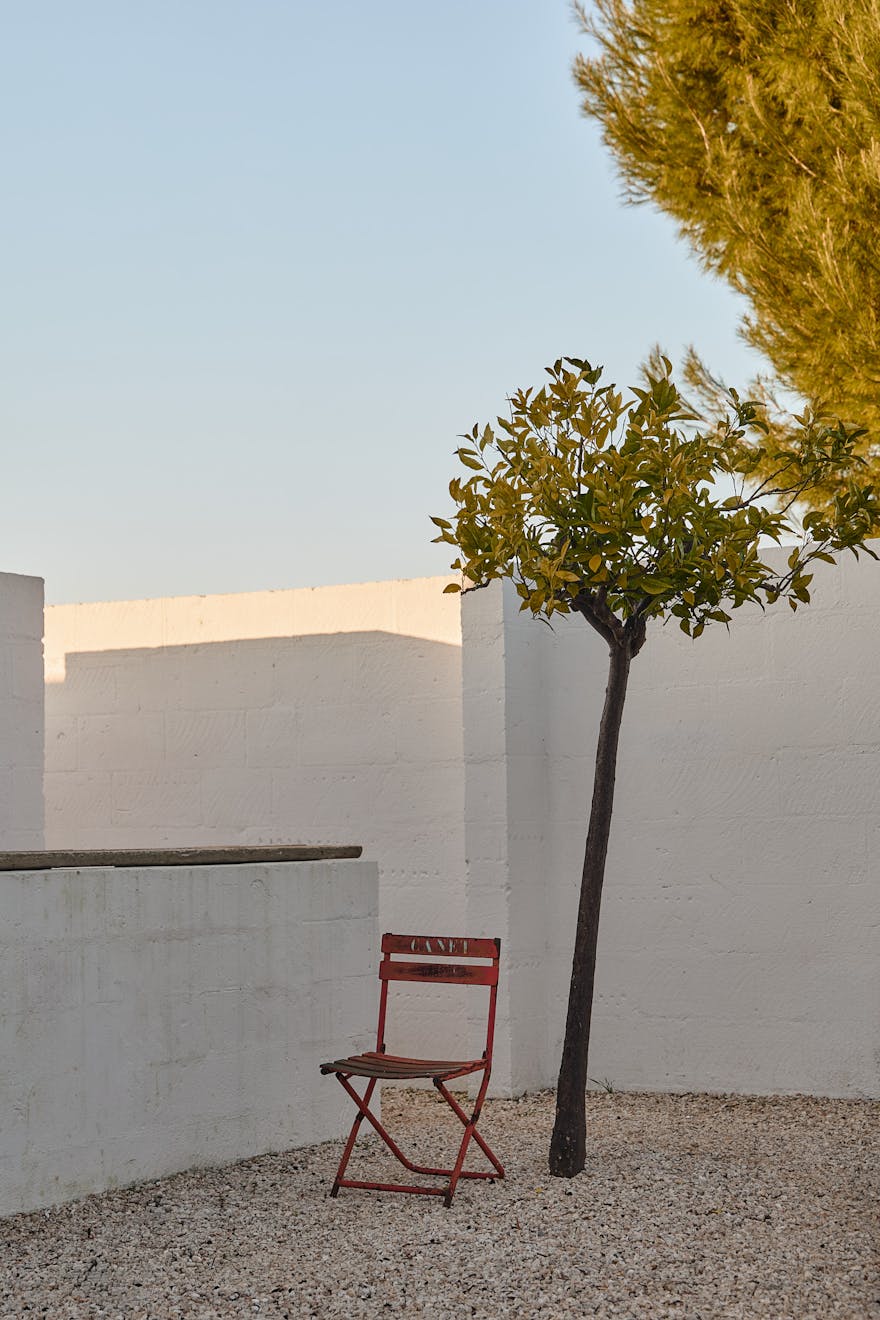
We didn’t set out to be different. We just wanted to respect the purity of the traditional masseria vernacular while expressing it in a way that felt natural to us. Andrew shaped it like an old farmhouse with thick walls, crisp lines sheltered courtyards, but with a clarity that belongs to the present day.
My role was more about imagining how life would unfold here: what spaces a small guesthouse needed, how people might move through it. It was intuitive rather than strategic. Two friends designing a place we’d want to stay in ourselves.
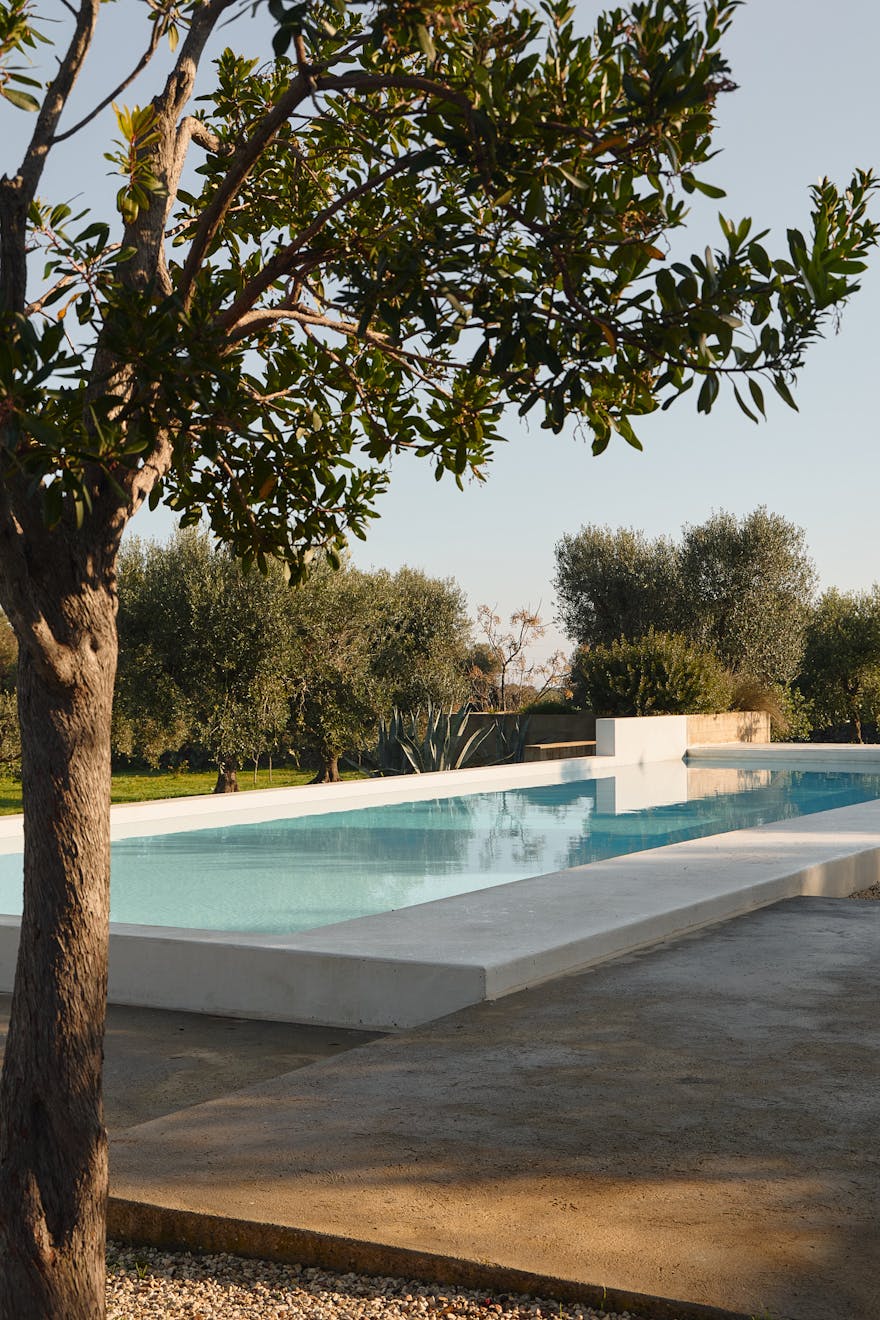
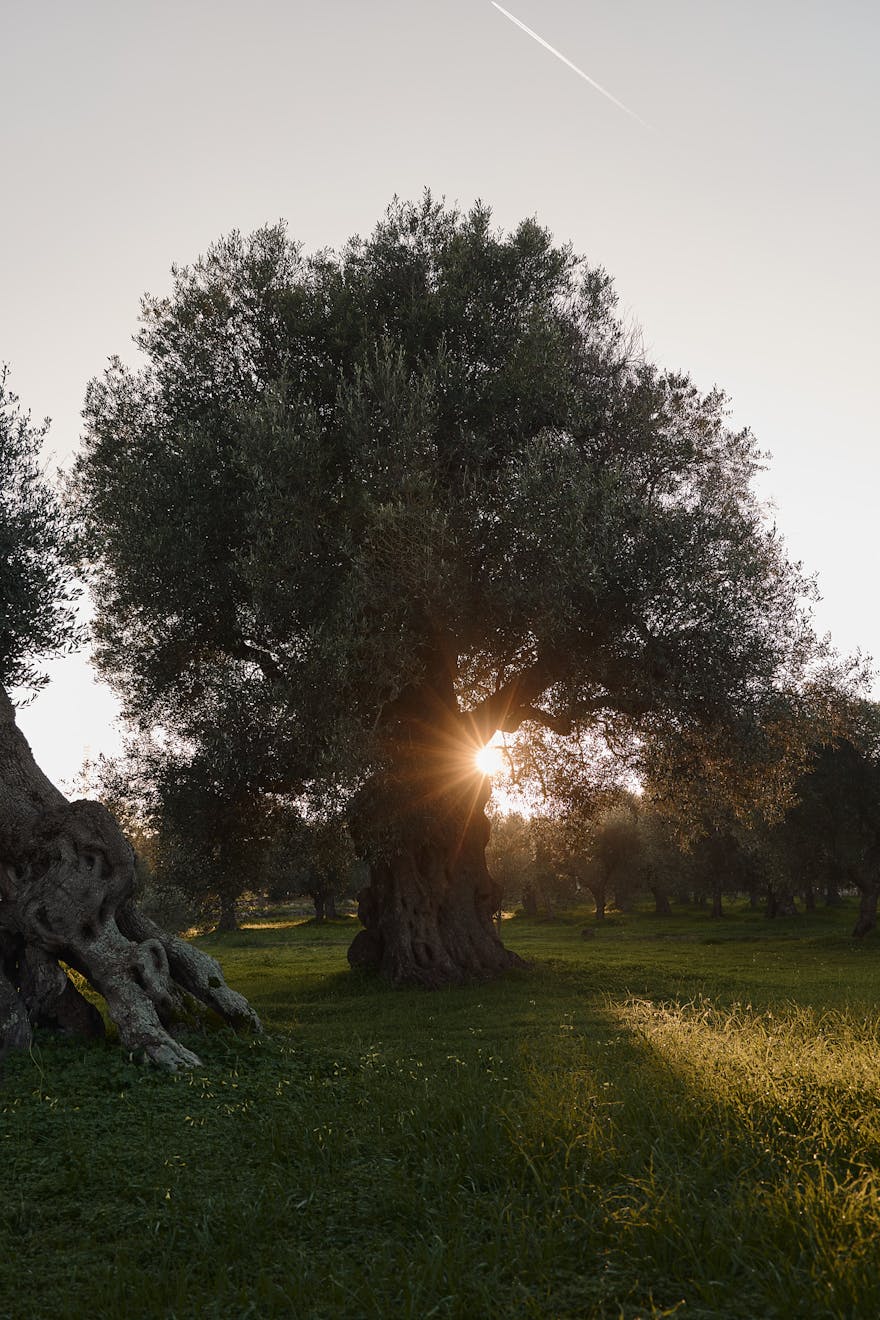
You arrive into a central courtyard, with three rooms on each side. Some face the ancient olive trees, others have their own private walled gardens. Beyond the courtyard is the living space with the fire, the studio, and the kitchen. Then everything opens out again to the pool, the olive groves and the sea.
Because there are only six rooms, it never feels crowded. There are so many quiet corners – terraces, gardens, the vegetable patches, the patio by the pool – that guests can be as sociable or as private as they like.
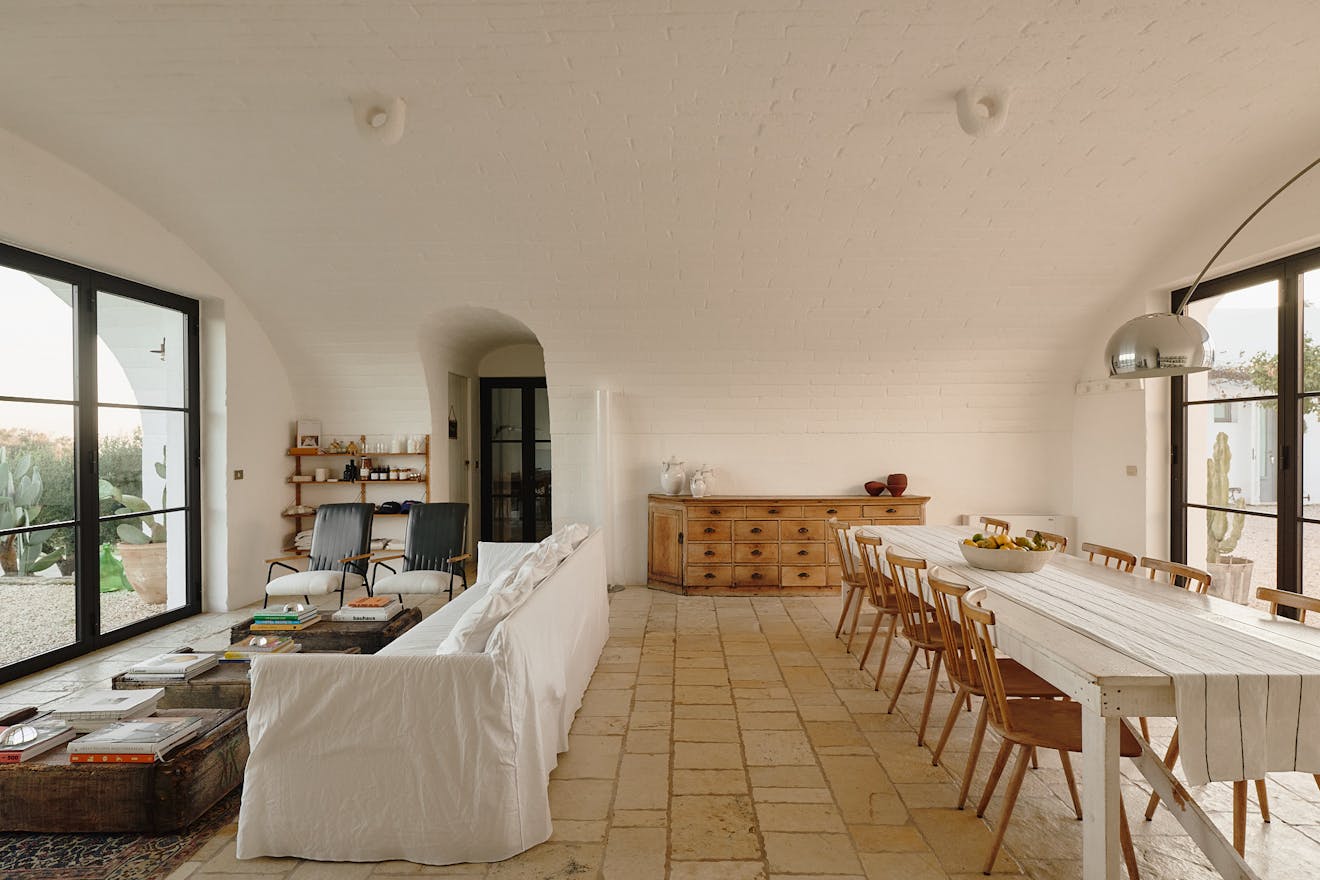
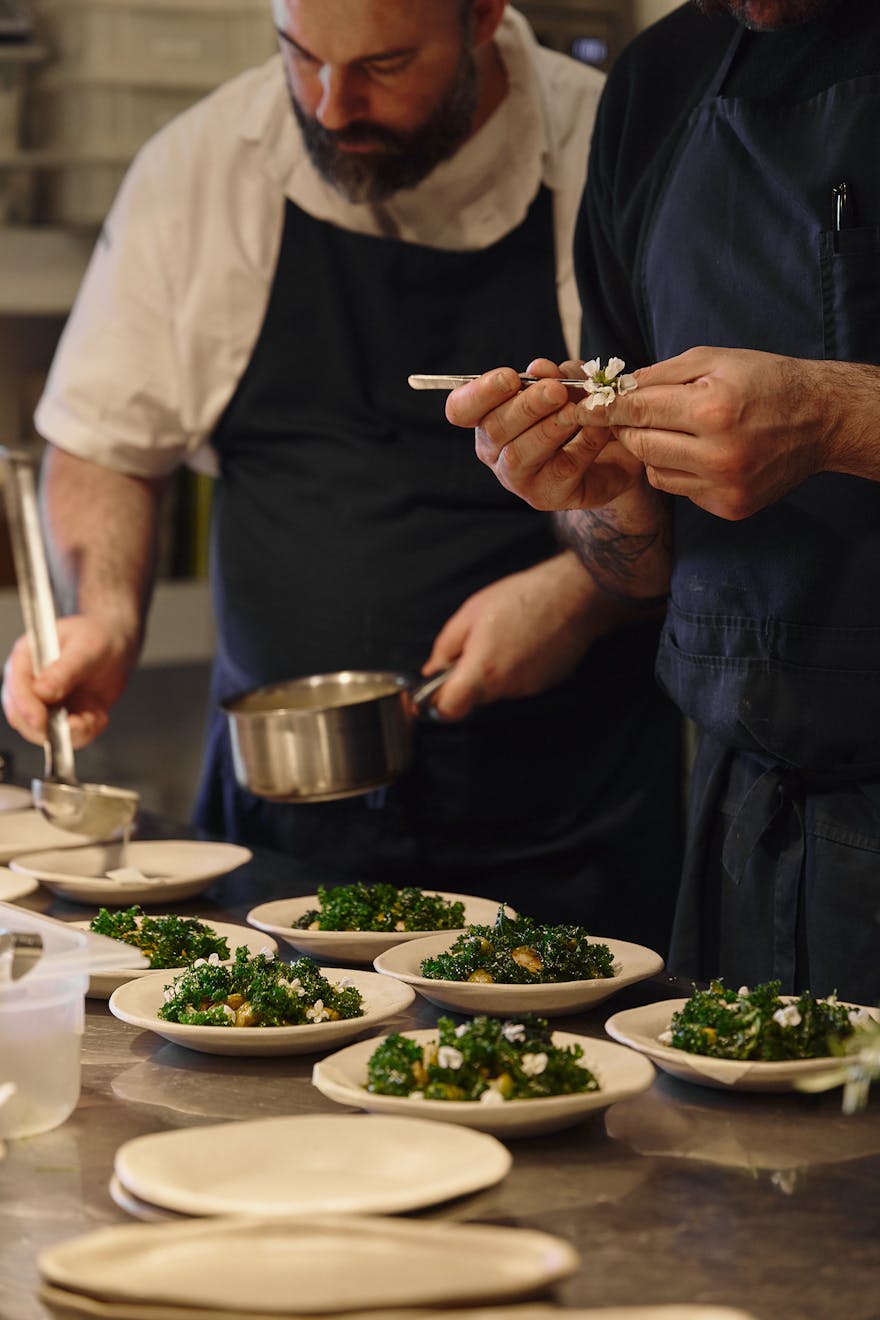
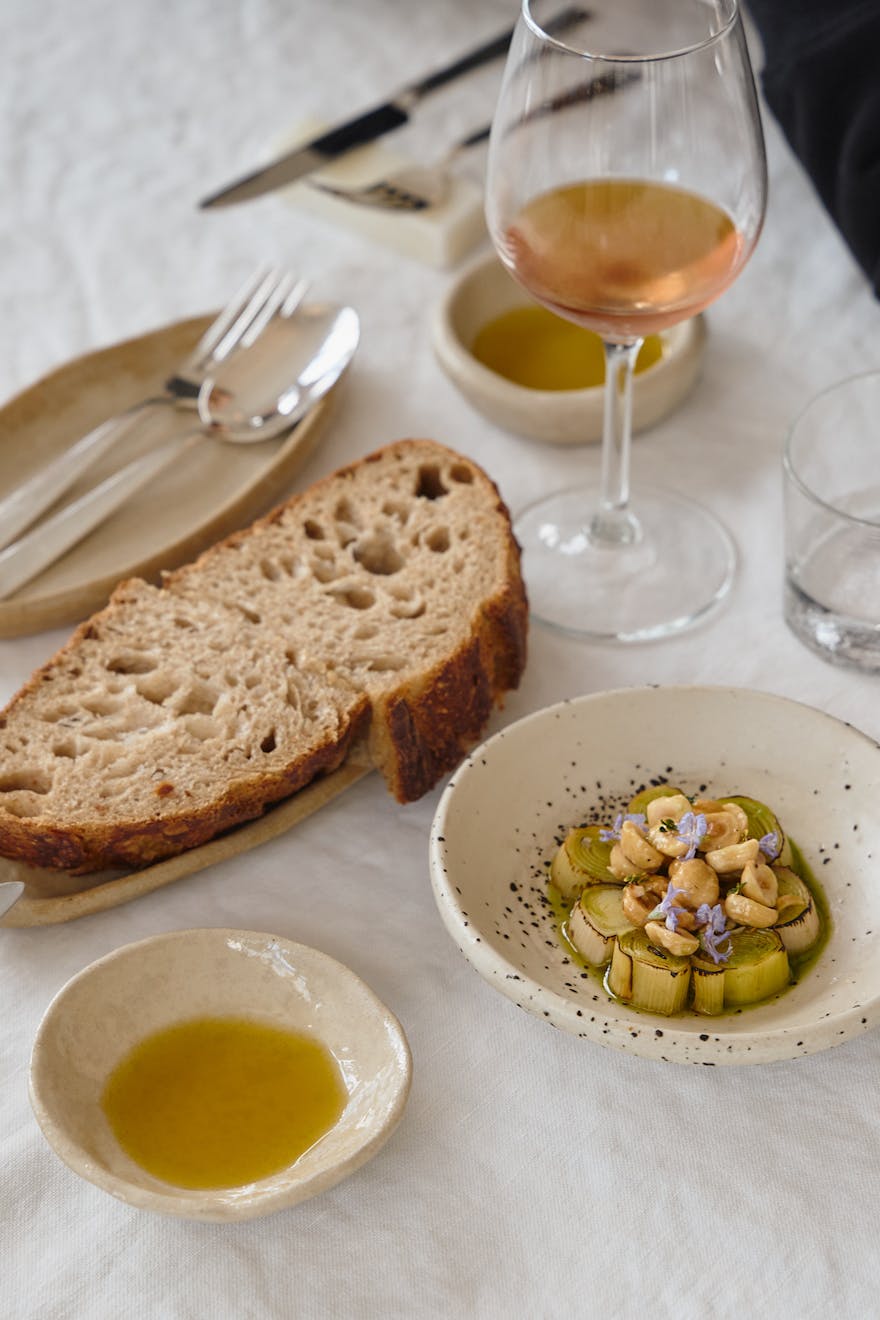
The heart of the place has always been the kitchen. In the early years, I ate dinner with guests every night. It sometimes feels more like a house than a hotel. When Giorgia, our chef, arrived six years ago, things grew organically. Her cooking is rooted in Mediterranean traditions but shaped by her travels and her imagination.
We now grow a large part of the produce ourselves, including vegetables, herbs, fruit, and our olive oil comes from the six hectares around the house. Food here isn’t a performance; it’s an expression of the land. I think that’s why people connect so strongly with it.
People first came for the architecture, but they returned for the atmosphere, the warmth, the simplicity, the feeling of being looked after. Giorgia’s cooking became a big part of that. The dishes change continuously because they’re built around whatever is coming out of the garden. There’s no menu. You have to trust us.
And the space itself feels honest. Nothing is over-styled or precious. People recognise that immediately.
Yes, but always a very small part. A wedding planner approached me one year, and we decided to try hosting one together. Since then we’ve welcomed only a handful each season. Just the right amount so the masseria remains, first of all, a home and a farm. But the few we do are incredibly special. We get to know the couple; it becomes a four-day celebration rather than a production.
Not at all. When we opened in 2016, Puglia was starting to become known internationally, but small contemporary masserie didn’t really exist. The first guests were photographers, designers, writers – people curious about architecture and lifestyle. They spread the word and suddenly it felt like everyone knew about Moroseta. We have over 300,000 Instagram followers, so that probably helps!
What makes me happiest is not the attention, but seeing that the place became a reference point for others building their own projects. It’s nice to know we contributed something to the region.
Busy. But in a way that feels natural. I still work around 12 hours a day, but the time disappears. In the morning I check emails, walk through the garden, talk to the team, check in with the kitchen. Throughout the day I meet guests, sometimes share a glass of wine in the evening.
The rhythm suits me. If I lived in the region without the masseria, I think I’d miss the stimulus. But here, people arrive from all over the world, and those conversations make the place feel almost like a small city.
Spring and late autumn. April and May have this sense of anticipation with the first guests returning, the garden waking up. October and November are quieter, almost reflective. Summer is beautiful but intense; you blink and suddenly six months have passed.
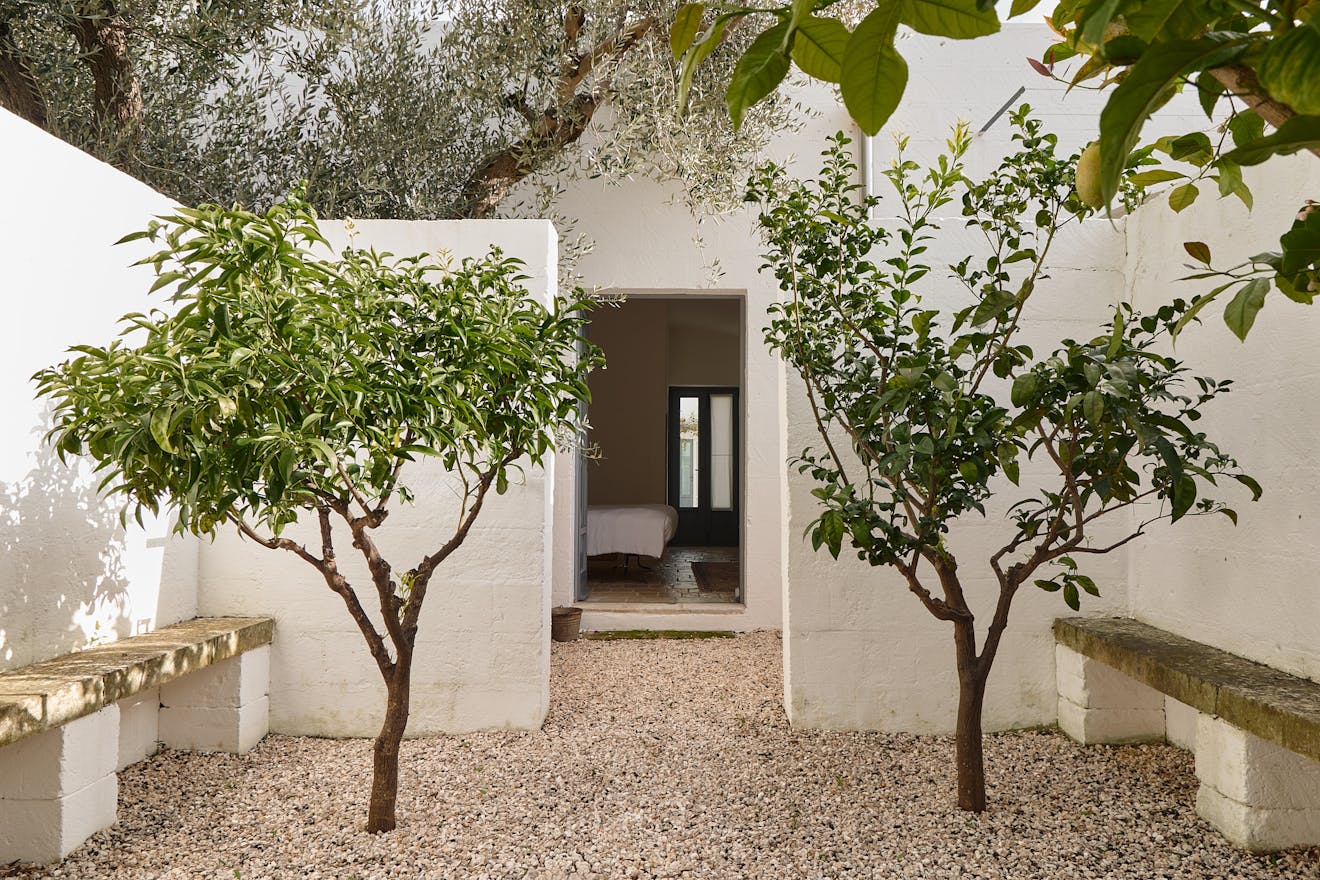
We have six hectares of organic olive trees. It’s a tiny production compared to many masserie, but it allows us to care for everything ourselves. Andrew and I planted many of the other species you see, including pomegranates and prickly pears.
Two years ago we expanded the vegetable gardens so that the kitchen could rely even more on our own produce. It changes the cooking completely. You’re not just making dishes; you’re responding to what’s growing.
Very. When I travel, I never choose big luxury hotels anymore. They’re beautiful, but often without a soul. I prefer places with a heart, where you meet the owner, where things feel lived-in.
Less is more for me. Having fewer things allows your mind to breathe. That’s what I hope people feel here: space, calm, and the sense that life doesn’t need excess to be beautiful.
That feeling of arriving somewhere and immediately exhaling. A sense of home. I’ve had guests come from very high-end hotels elsewhere in Puglia, and after a few days here they say, “Now I can finally relax.”
To me, that is the biggest compliment: that the simplicity of the place gives people the freedom to enjoy it fully.