How Villa Castelluccio won fans around the world
Words by Hannah Nixon
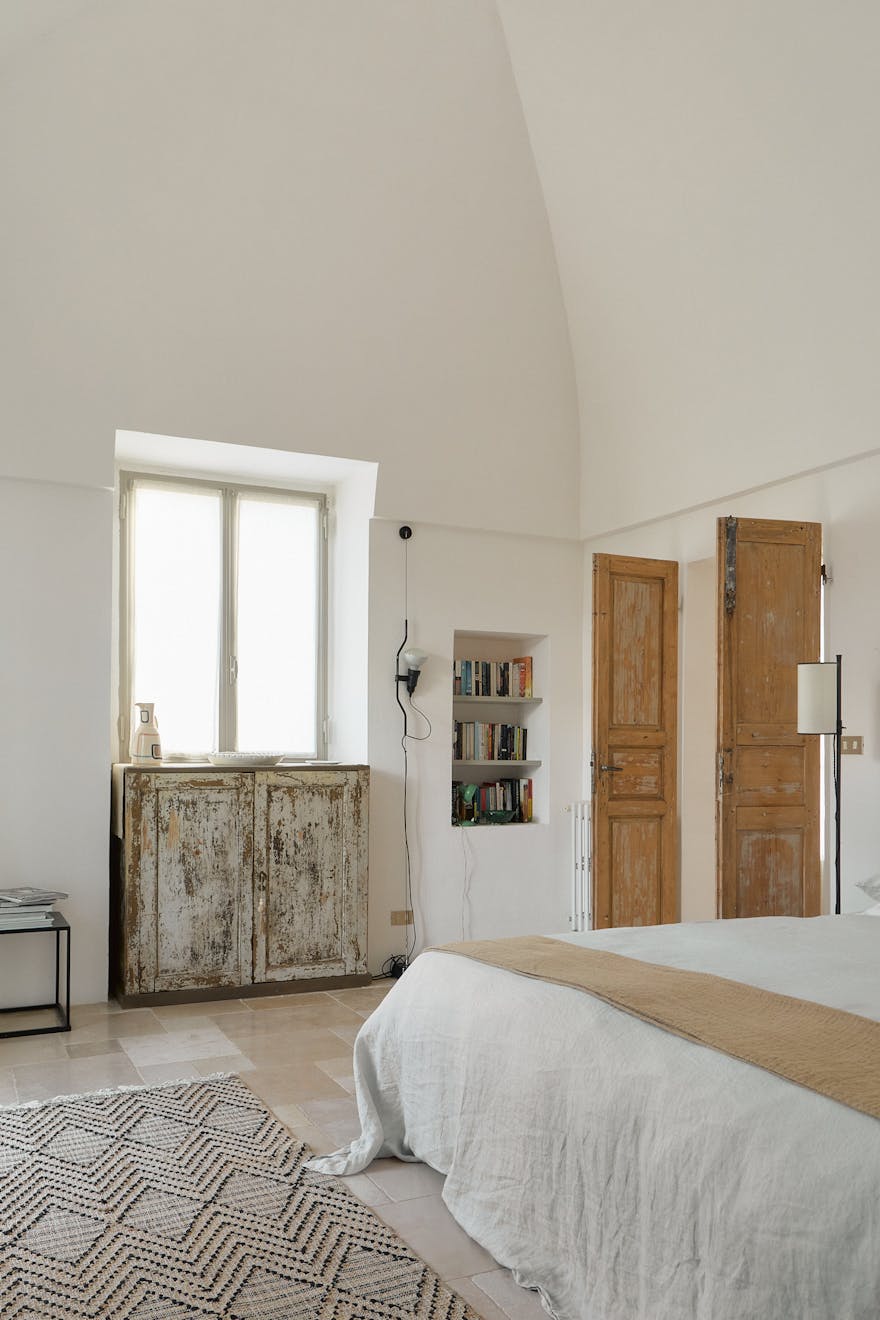
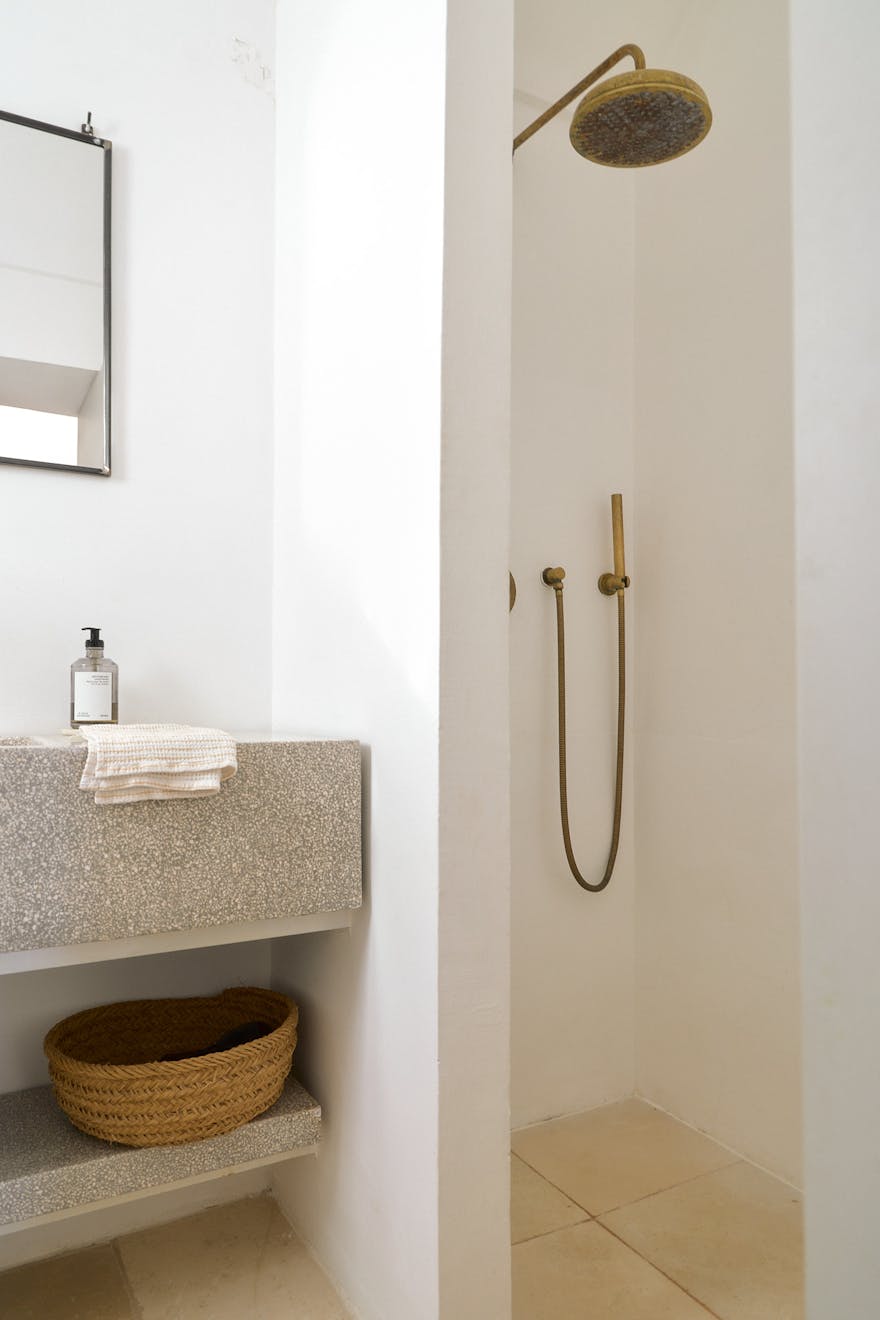
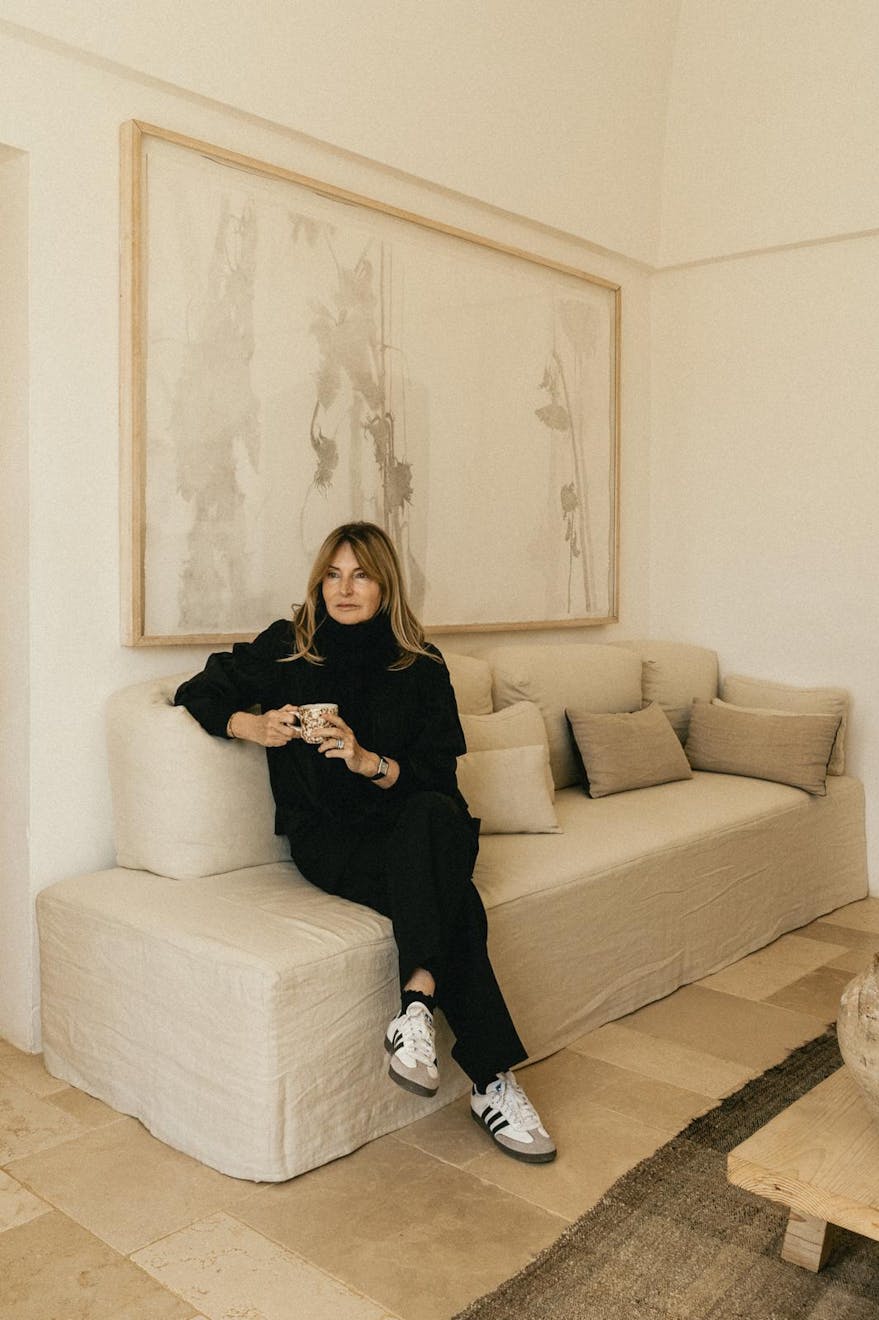
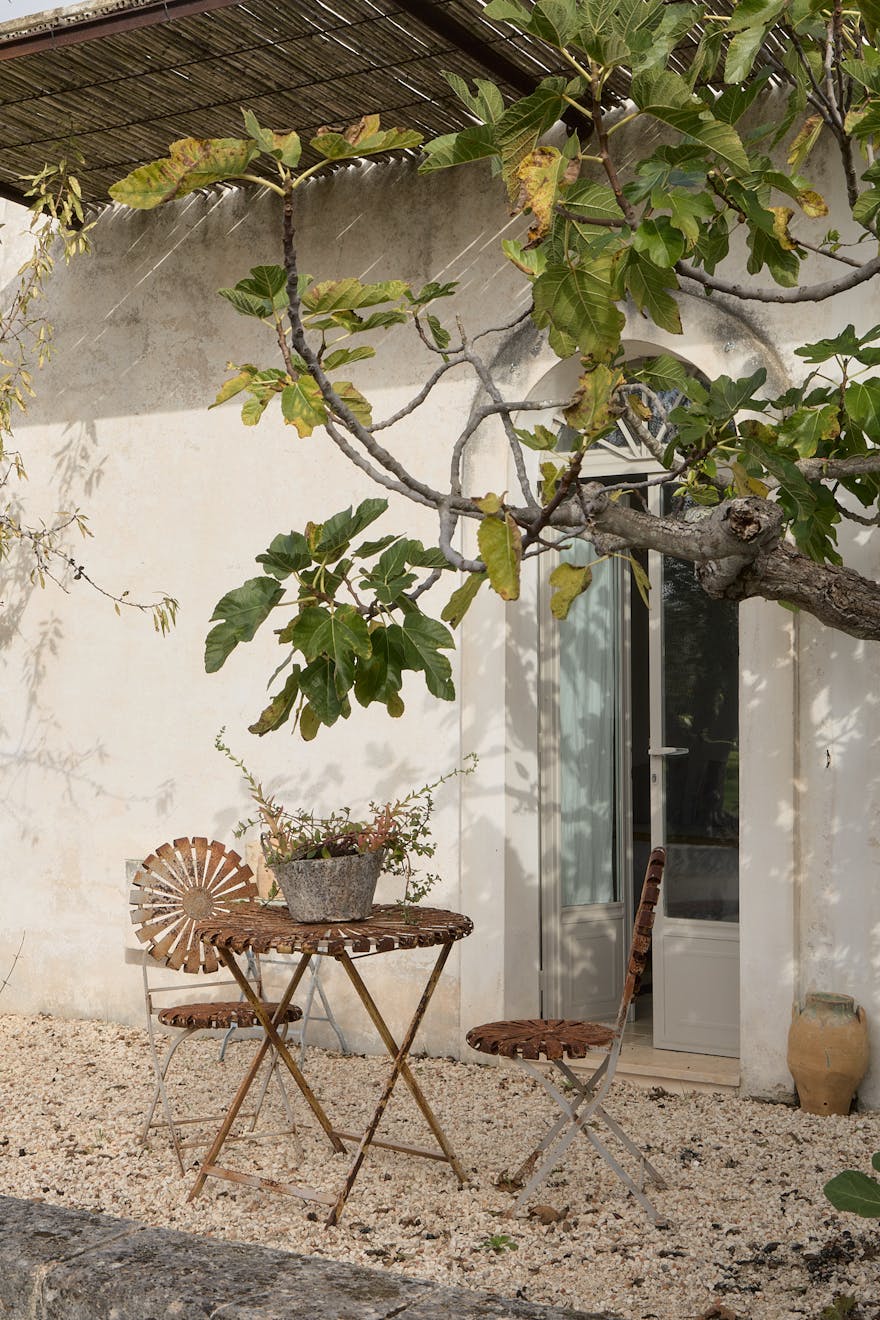
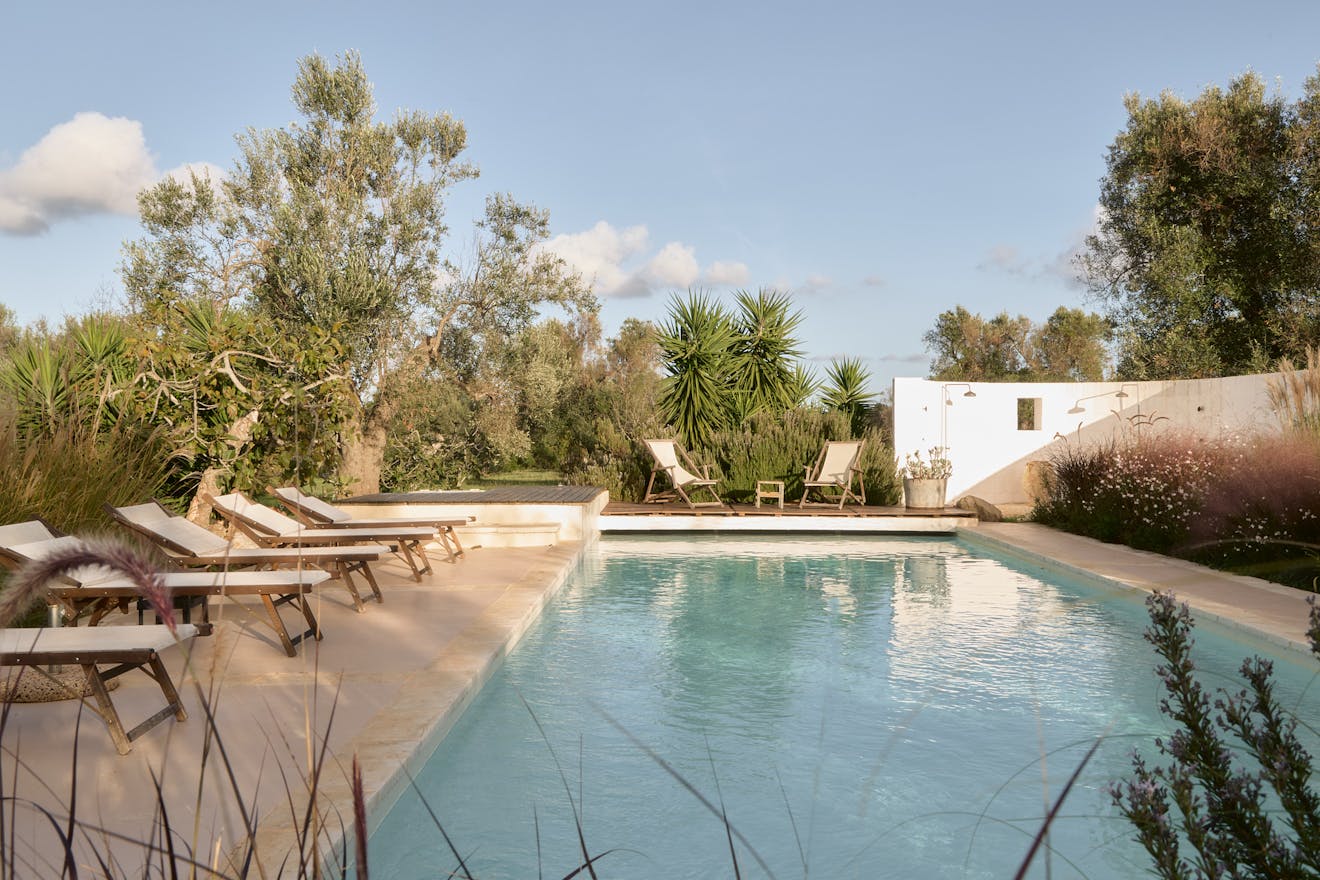
“It’s about creating beauty with carefully chosen pieces that complement the architecture of the house,” explains Jayne Henderson, owner of Villa Castelluccio, whose considered take on rustic elegance has garnered a global following through both the villa itself and her own well-established social media presence. The digital world feels far removed from the home she has so thoughtfully realised. Set just beyond the whitewashed town of Ceglie Messapica, Villa Castelluccio exemplifies how the wild beauty of the surrounding landscape can be seamlessly woven into domestic life.
We spoke with Jayne in the depths of winter, one of her favourite seasons to enjoy the house, as she reflected on her journey transforming it into one of Condé Nast Traveller’s best villas in Puglia, the years she spent imagining the home before discovering it and the flourishing creative community that has since emerged.
Well, I was living in London and renovated a house in Ibiza. We were going to Ibiza for several years before that because we love music. It wasn’t like we were going clubbing or anything! It was just that we knew the parts of Ibiza that we really liked.
Having gone there, it took me a few years to find the finca that I found. The woman that I bought from was probably in her seventies. The agent at the time said that she didn’t want to just sell it to anyone, she would know when that person came. The moment I saw the house, I just burst into tears because I thought I dreamt of this. We connected and she even told the agent, I’ve met the person that I want to sell the house to.
So I renovated it and the idea was to do Airbnb, but it all became too much because we still had a life in London. We decided Ibiza wasn’t for us. It was becoming too hedonistic. It was a good experience because I’d renovated a house abroad. Then someone mentioned Puglia. We went there for a holiday and fell in love with it. I could see that there were many aspects of Puglia that reminded me of our life in Ibiza.
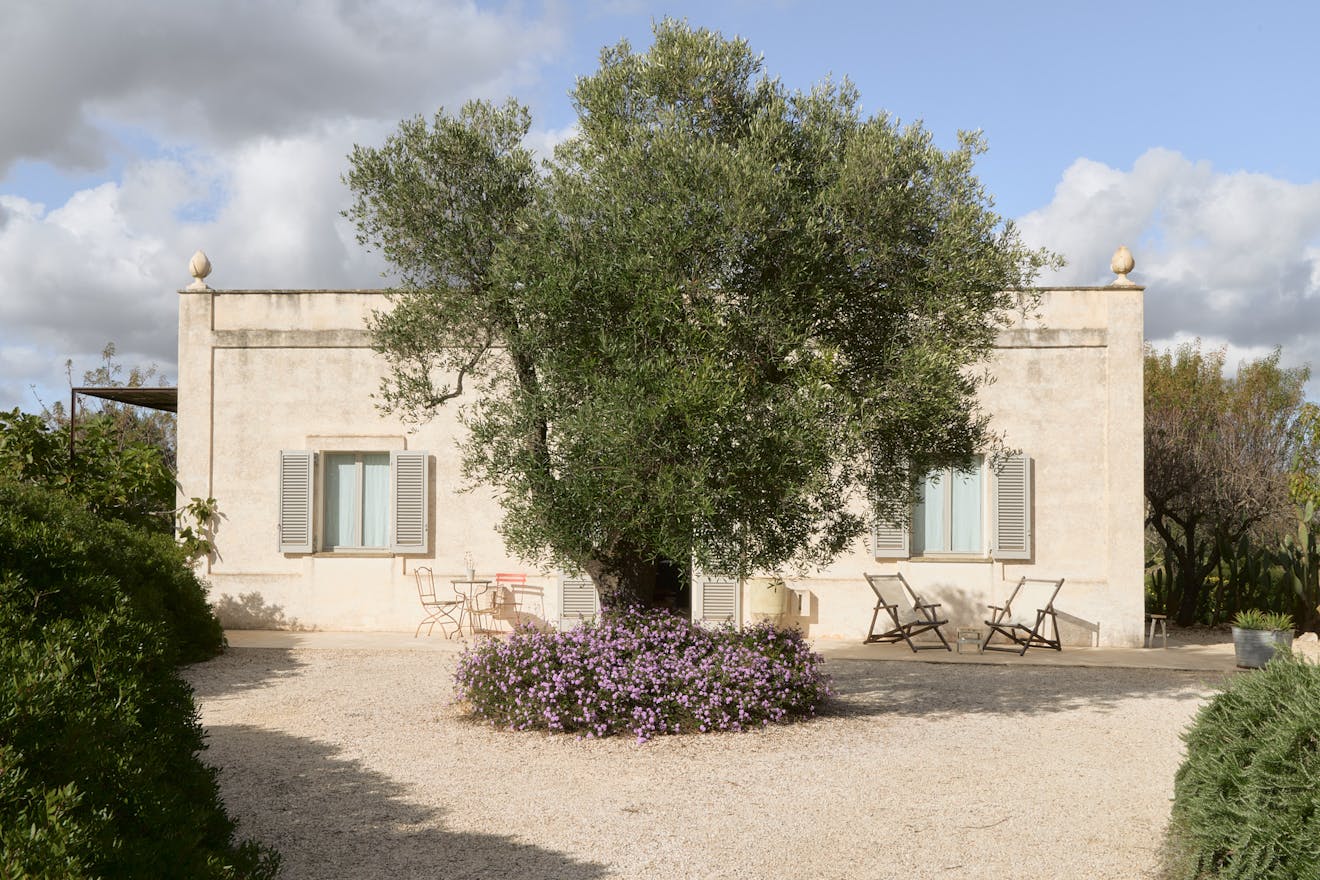
I was looking in Puglia and I drew the house and the olive tree before I found it. When the agent took me to the gate, I said to my husband, “this is the house”.
That was Andrew’s influence (Studio Andrew Trotter who helped to design the home), the pared-back simplicity. Before that I had a townhouse in Edinburgh that I completely renovated myself. I even look back at photographs of that house and think I’d do it differently now. It’s how things evolve. Even the Ibiza house, I would have done it differently.
I’m really big on that. Even the windows and doors, I drew them and they’re designed by a local carpenter. The floors were already here, but they’re local Puglian stone. I had to take the shine off them and take them back to how they would have been raw.
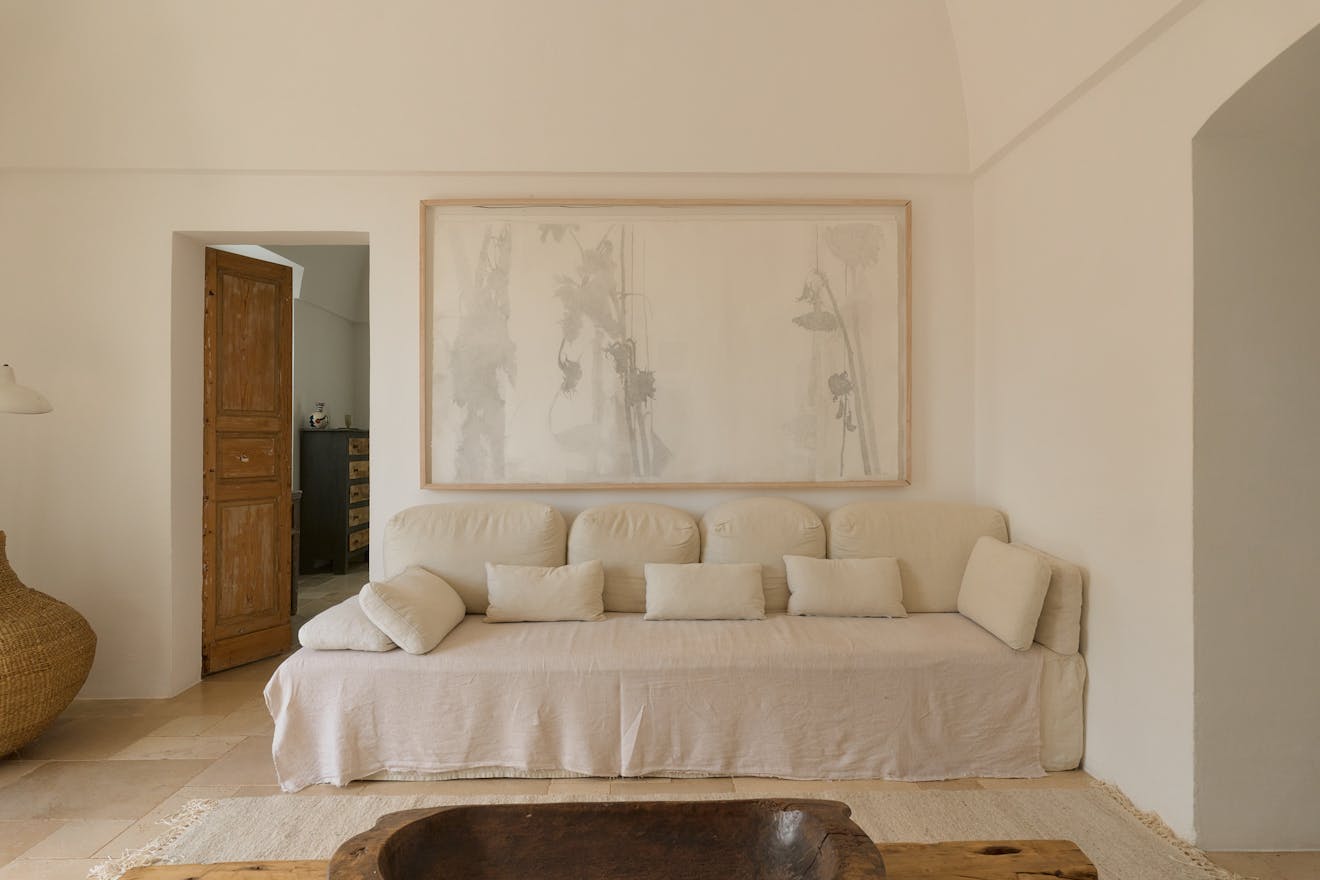
I describe the house as raw elegance. It’s something that’s hard to create. That’s why I got into designing the sofas because I could never find sofas, I had to have them made. Also I wanted to create a space where it was formal and upright. It’s about creating beauty with carefully chosen pieces that enhance the architecture of the house.
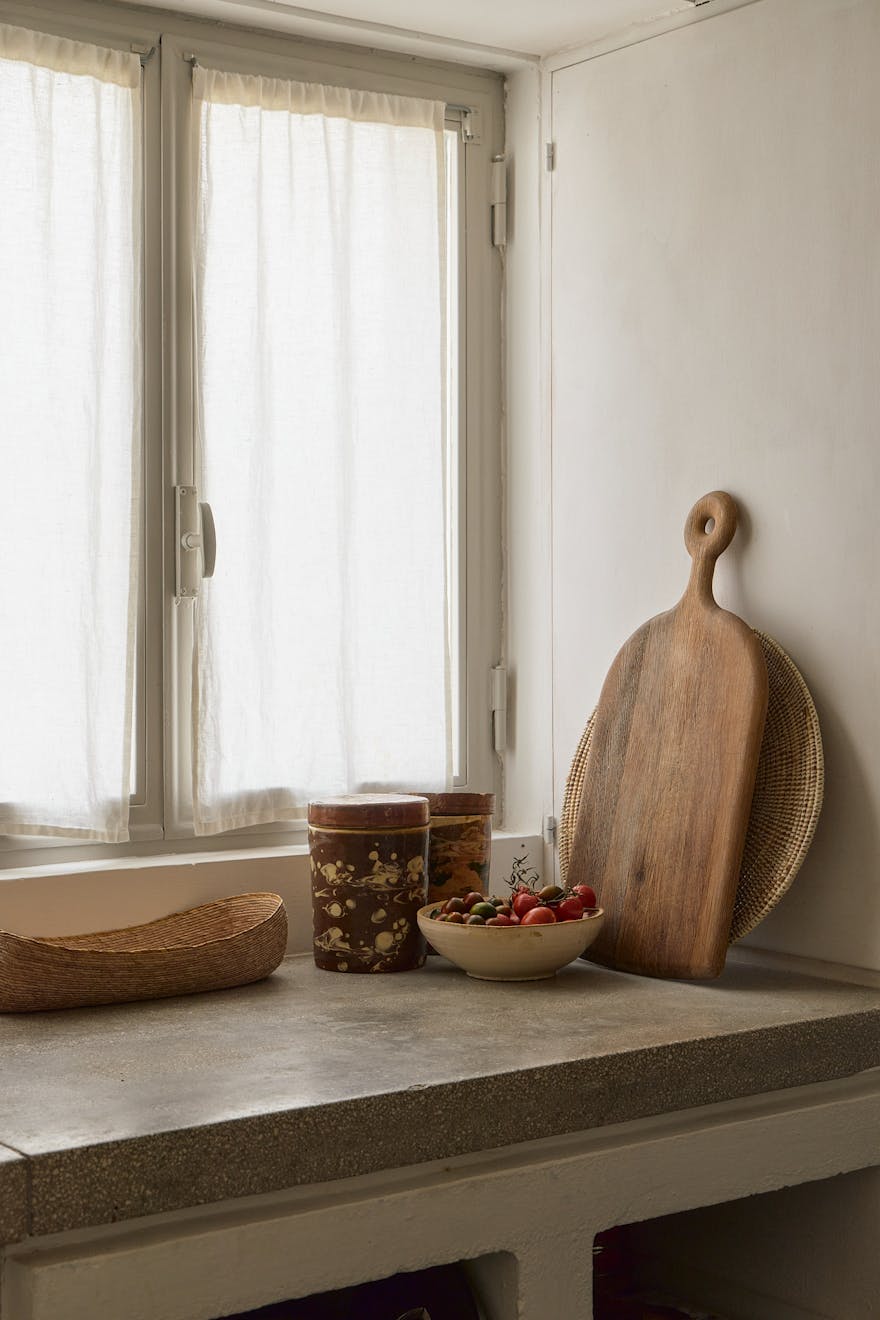
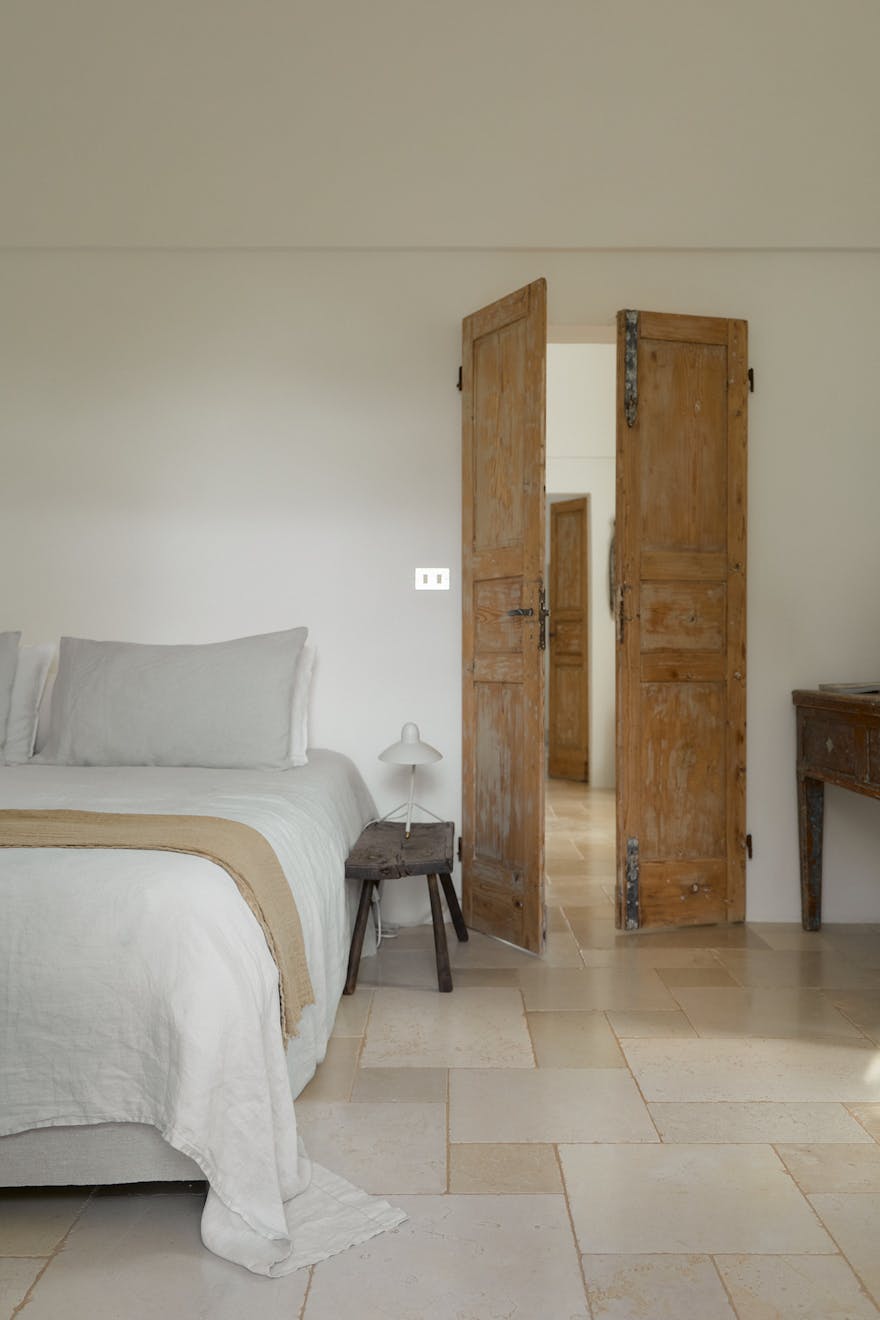
It’s very important to me because I’m really into order and beauty and if there’s anything that disrupts my calm, especially now, I can’t. When I sell the house, the right person will come along who gets it.
I’m not an expat person. A lot of my friends here are Italian. What’s brought me together with other people here is the creative communities. I built a personal Instagram account and one for the house (which I would sell if the person who buys it was going to be renting out the house). By starting my personal Instagram, people reached out to me from all over the world.
It’s all through Instagram. They’re seeing something on my page that is very raw. It’s my life. Photography is a big thing for me. I’m not looking to be an influencer. I’m just doing my thing.
There are real communities here, we go to the antique markets on a Sunday morning, it’s almost like going to church. I know the best food markets to go to, the produce has just come from the land and you can get so much for five euros.
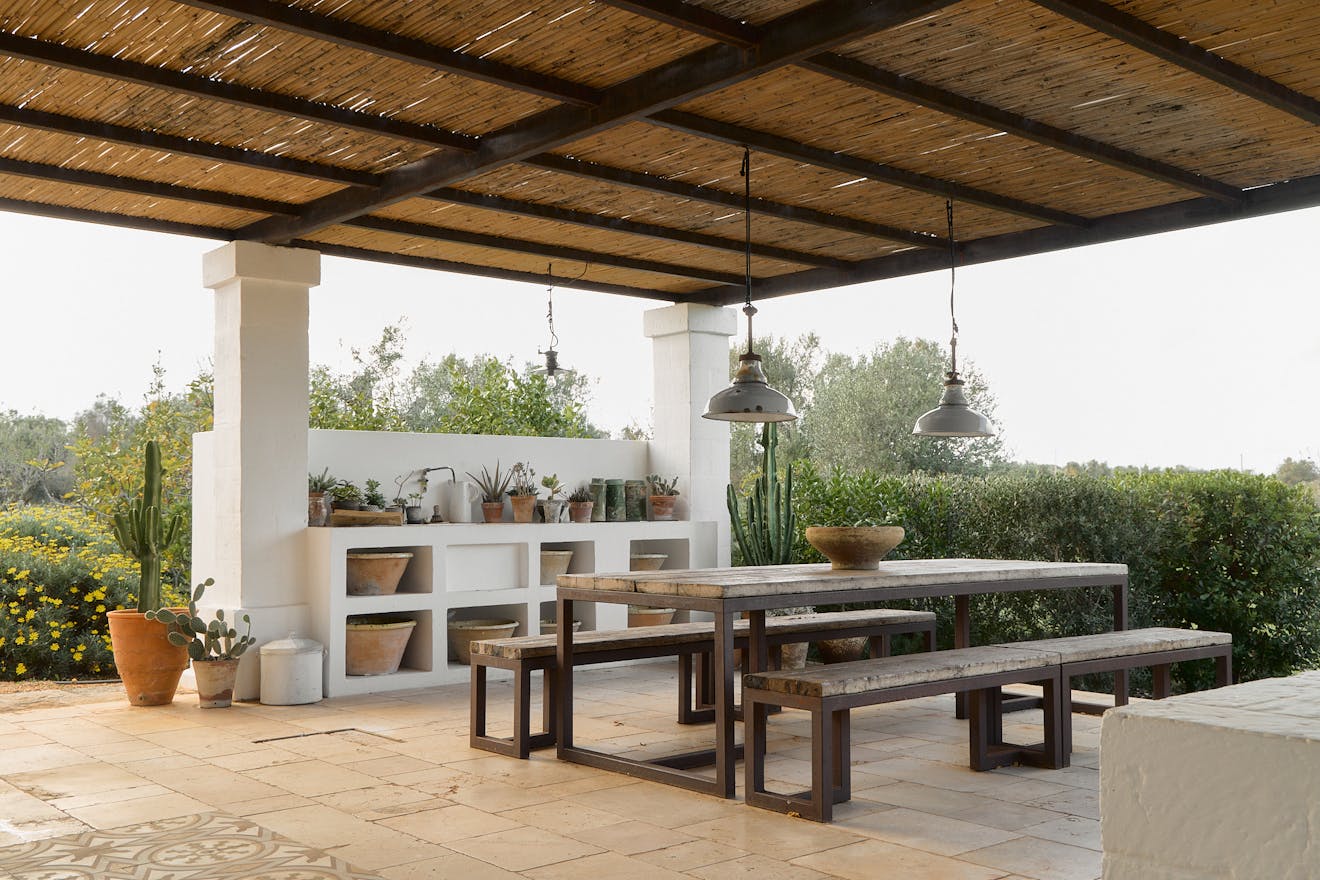
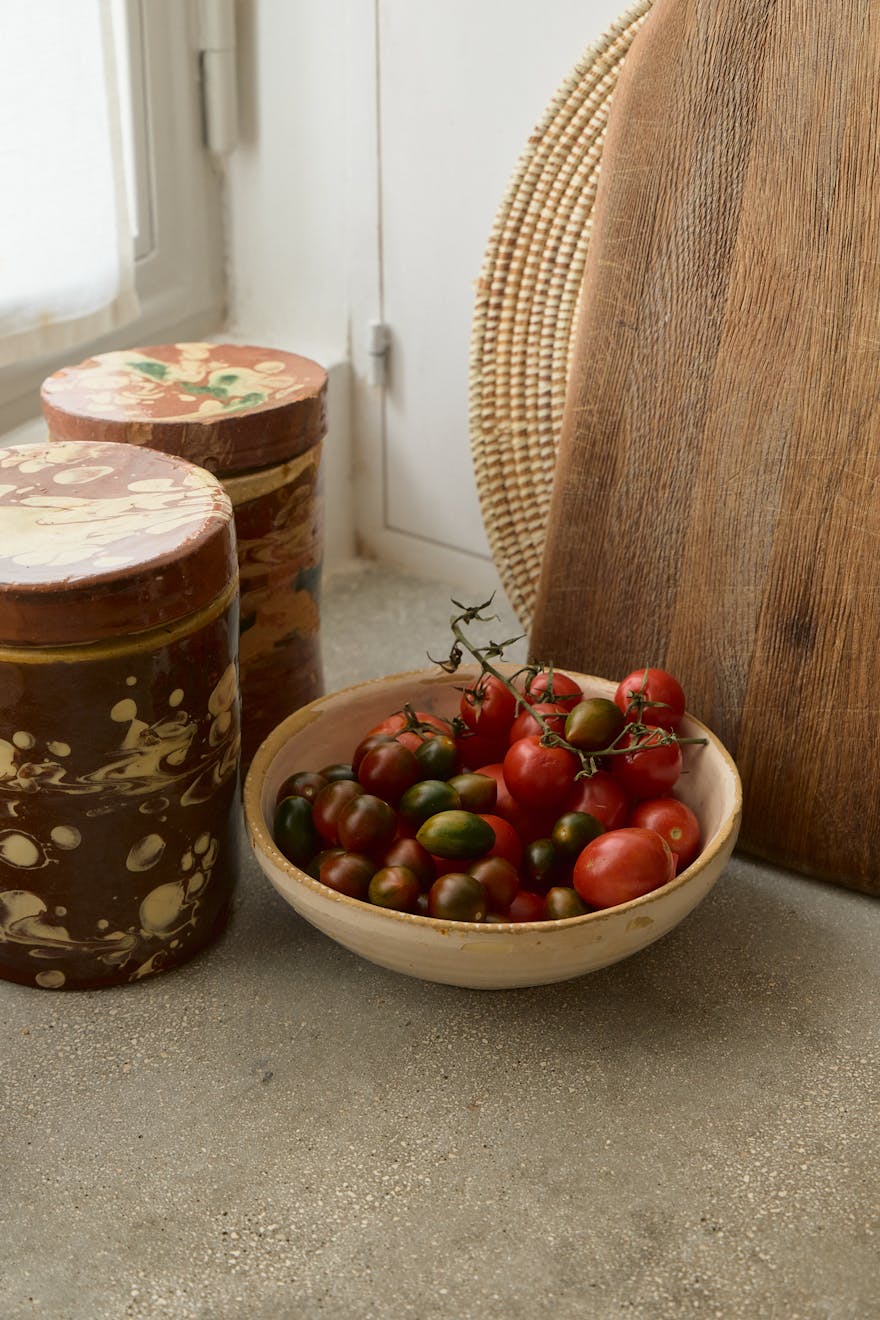
Yeah, and it’s getting bigger. People see that they can have a good life here. Whoever buys the house may not be able to live here, but there will be very like-minded people here that they’ll be able to connect with, especially if they’re in those design communities.
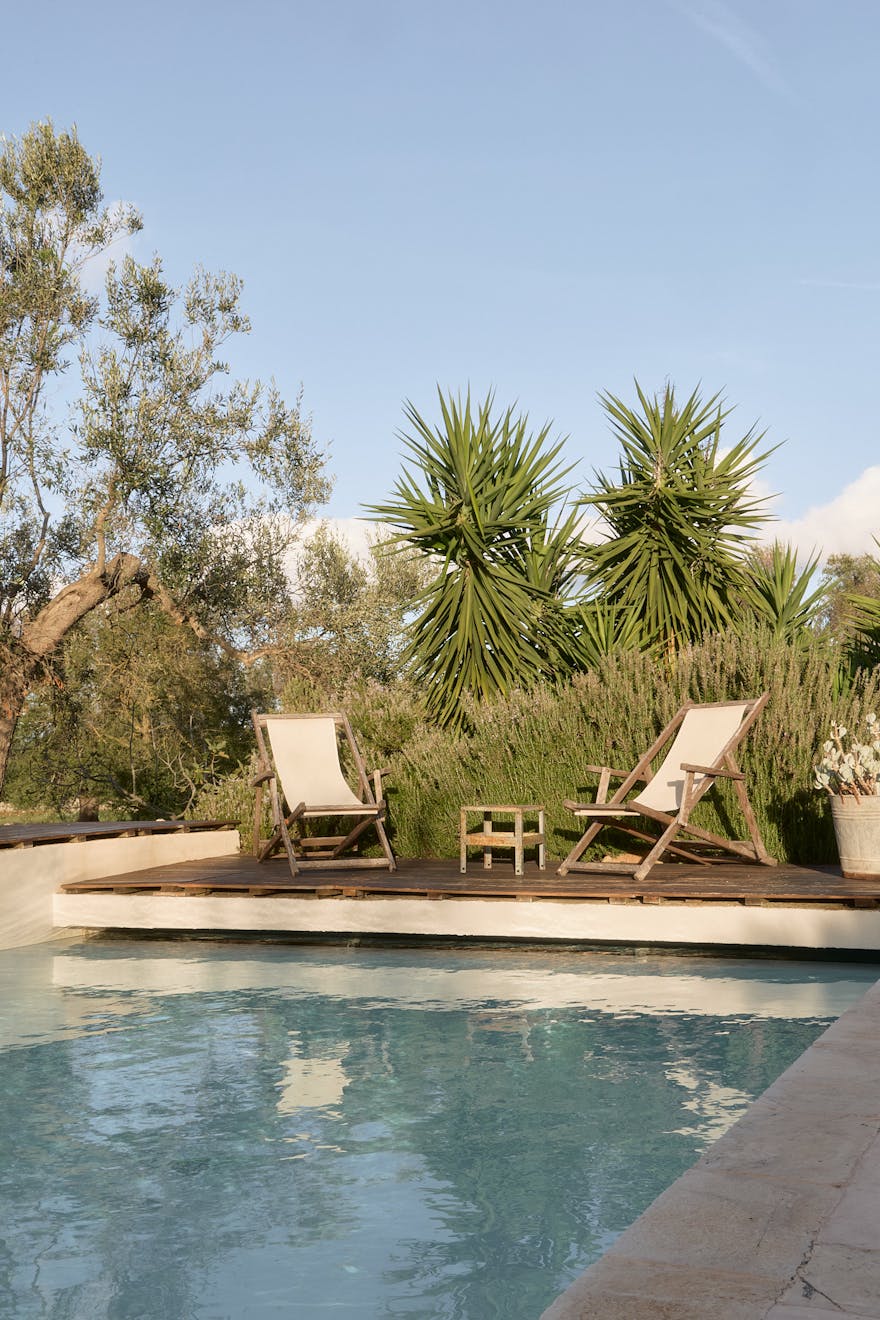
I love winter light. Anything from October, November onwards and then coming through to spring. The house looks beautiful in winter because the light’s amazing and the land, the garden becomes even raw.
Italian friends who are from here will say I want to take you to such and such a place and I’ll go. You don’t know everything. I advertised the house for a week in October; come and stay with me for a week, I’ll show you my hidden gems. Three people booked the house for the week and they said it’s the best week’s holiday they’ve ever had.
You have to be a risk taker to live abroad. Whoever buys this house will be a risk taker. They’ll be thinking more about the lifestyle and don’t want the hassle of waiting three years to renovate somewhere.
When I sell this house, I’ll go to buy somewhere else and it will be a shell. But I know what I’m in for, I’ve done it before. It’s really bad if you’re doing it from afar. My sister bought a house here three years ago and hasn’t done anything to it because she hasn’t found the right builders yet. Permissions take years. People come in with this glossy eye like the way you can do it in London. It’s slow living here.
I want to buy something much smaller. I’ve got ideas for it already and I’m starting to do a mood board. What I’ve learned from doing this house is to keep it within the environment that it’s in. Keep it in the landscape that it’s set in and adapt the interiors to an Italian style. Just keep it really simple. There’s wild flowers everywhere. My tip is ‘don’t get too obsessed with cutting the grass.’