The World of Béton Brut
Words by Hannah Nixon
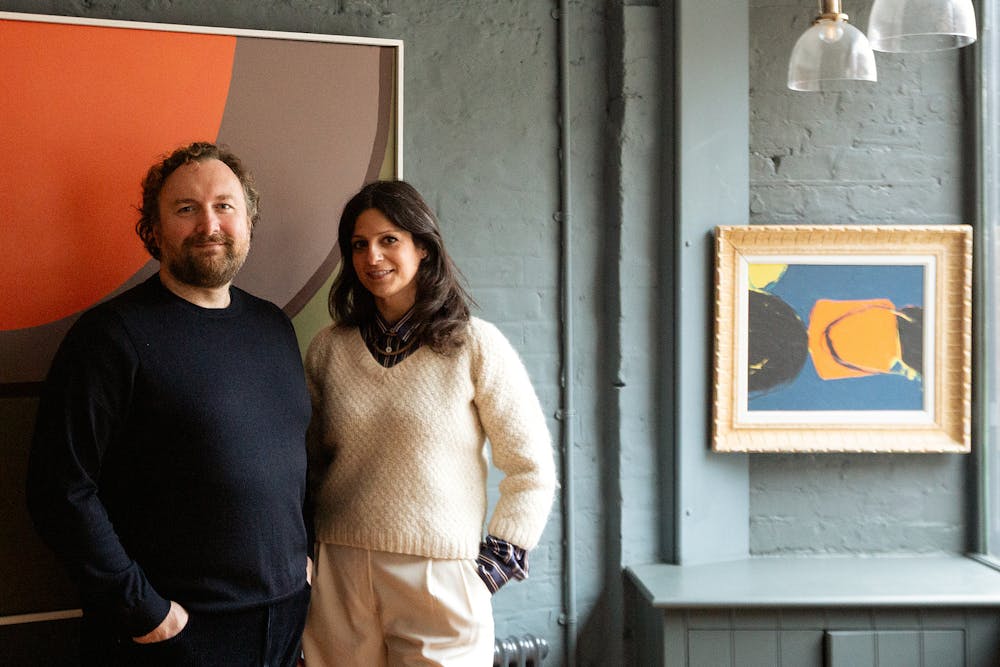
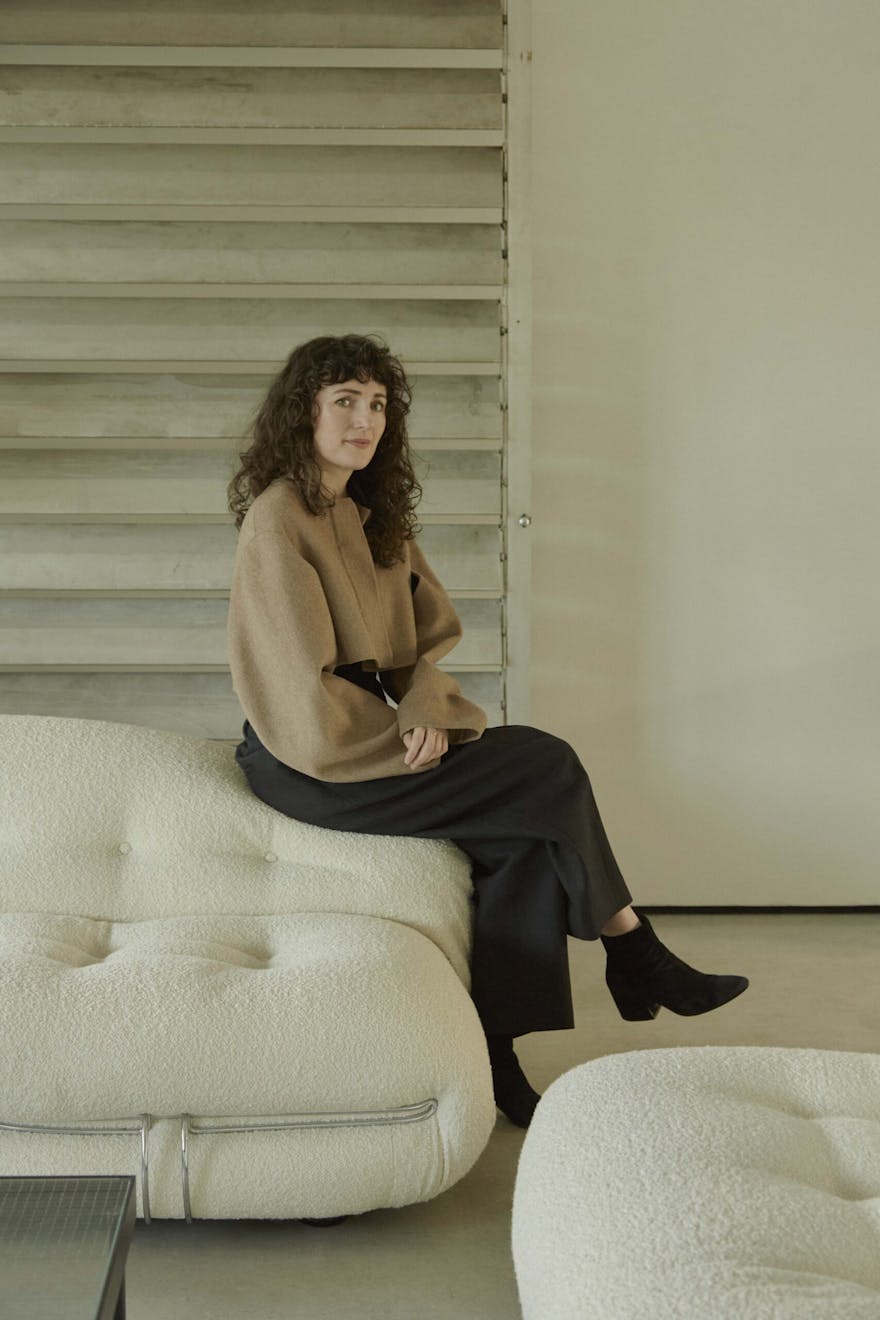
“There was a 10 year hunt for some Gerald Summers chairs,” recalls Sophie Pearce, owner and curator of Béton Brut, the modern furniture store based in Hackney Wick, when asked about the longest search she’s undertaken for a design classic. Founded in 2008 and named after Le Corbusier’s raw concrete finish associated with modernist buildings, Béton Brut has earned a reputation for its exquisitely curated collections, displayed gallery-style against a backdrop of white walls and ambient lighting.
This is the second time Aucoot has visited Béton Brut, (you can read our original interview here). Having played a significant role in advancing appreciation for brutalist design over the years, we returned to discover that the collection has expanded into a more comprehensive reflection of Sophie’s evolving eye, now spanning earlier modernist pieces, limited-edition collaborations and softer, more organic forms.
We joined Sophie for an afternoon of sprawling conversation that ranged from stumbling upon a Castiglioni brothers chair for £10 to exploring the 1800s Biedermeier period, and how this journey ultimately led to selling the work of surrealist metalwork artist Salvino Marsura.
I think there was definitely a crossover. I did a module on the politics of space and we were talking about Marc Augé’s Non-Places: Introduction to an Anthropology of Supermodernity and also the Politics of Utopia, which had physical manifestations of the ethics of designers and artistic movements. My dad was also a self-taught house builder and mum used to furnish our houses and definitely had a natural eye. I think if she had known that there was a job called a stylist, I think she definitely should have been one.
It was a little bit more of a baptism of fire than that. I was moving into my first place and I needed to furnish. I was someone who was head-to-toe in vintage clothes, so, naturally, when I needed to buy furniture, vintage pieces are what I turned to. So it was actually a natural sourcing for moving into a place that needed furniture. I hired a van and went to an antiques market in the UK.
I only knew many years later that it was a chair by the Castiglioni brothers for Bernini Gallery in Italy. It was just a little wooden folding chair, but it’s got this lovely arced back. The wood’s quite nicely stained and it’s got a lovely handhold to pick it up and carry it around the house. But I picked it up, not knowing what it was, for £10. It was 2008 that I became a dealer and then about four years later, I started Béton Brut.
There was a 10 year hunt for some Gerald Summers chairs. That started from seeing them in a house advertised for sale on an estate agent’s website. I saw these four bent plywood chairs around a table and thought, “They are so beautiful, one day I have to find those.” Ten years later, I finally found them.
I co-founded Béton Brut at the time with another dealer called Augustus Greaves (who left the business after a few years) and we picked the name. It’s a term that’s a lot more known now, but at the time it was kind of obscure enough that we could perhaps do different things under it as a punchy name. It was a nod not just to brutalism, but specifically to architects from that period, because we found that nearly half the pieces we were going for, probably not even intentionally, were designed by architects.
Béton brut is also the concrete finish in modernist and brutalist architecture you see across the South Bank. Incidentally, our local station, Hackney Wick, is fully made out of béton brut. It was that sort of interest in architects and vision of architectural furniture.
What I’ve tried to do with Béton Brut is not get too caught under a specific period. The 20th century itself is often considered a period, but there are so many subgenres within that you could have a totally different aesthetic every week for the rest of your life. I’ve not let it tie me down too much, because otherwise I wouldn’t get the joy of following my taste as it evolves.
Now I find myself shopping around for pieces from much earlier in the 20th century, but also the early 19th century. In the early 1800s you had the Biedermeier period, and I’m drawn to that as well.
That was going on at the same time as the Georgian era in the UK. You might look at it from a 20th-century furniture perspective as quite old and classic, but it actually had a lot of influence on early 20th-century movements like art deco, rationalism and the Bauhaus.
It was still much more clean-lined, so you might get a really square-profile bureau, a lot less curvaceous and ornate, and the only detailing on it is the burr of the wood, for example. It was more for the growing middle-class home, as opposed to the more austere Empire period of the aristocracy before that. I’m also interested in the Viennese secession movement. It’s like a more rationalist version of art nouveau with more squares, circles and checkerboards.
We definitely dipped into it, but in a way we avoided the pinks and totally fantastical elements. We’d veer more towards it when it was different marbles with a bit of burgundy. Then you had, although he was adjacent to Memphis, Mario Botta. We were big into him, while still being committed to our own aesthetic.
We started doing contemporary design four or five years ago. I think it was a natural move towards feeling a bit more like a gallery and putting on a show, while still staying true to what drew me to vintage. One of the reasons I love vintage is the character and patina, newly finished wood or powder-coated materials often feel soulless to me. For a long time, there was a lot of contemporary furniture I just wasn’t interested in because it lacked pattern or character.
But then there started to be influences that really caught my eye, like pieces with texture and interesting finishes, for example, Vincenzo De Cotiis and Michael Anastassiades with lighting where the materials and proportions are just right. It became more compelling, but we still wanted to be careful about scale. That’s why we do limited runs, editions of eight or unique pieces, because there’s already enough in the world and we didn’t want to mass-produce.
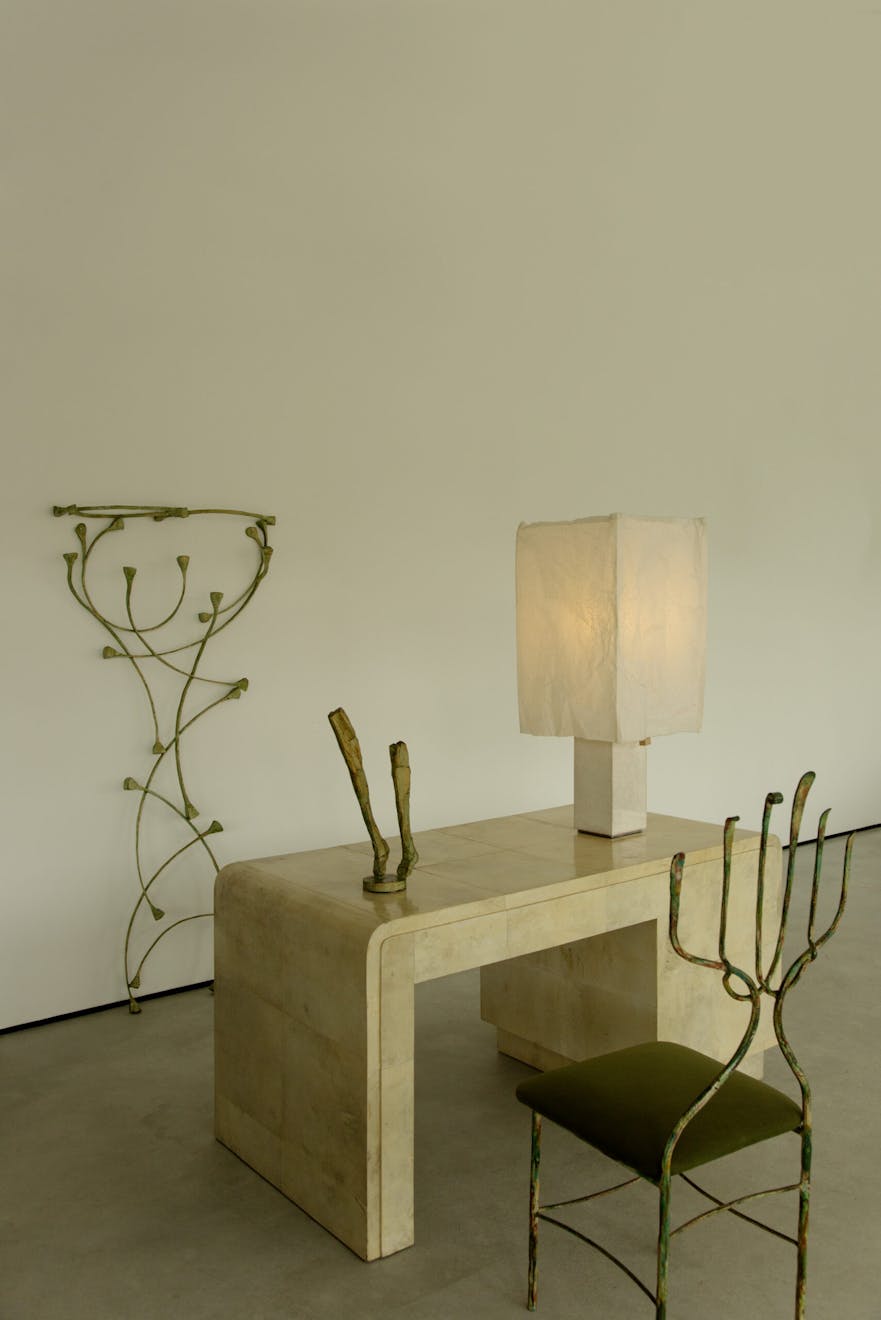
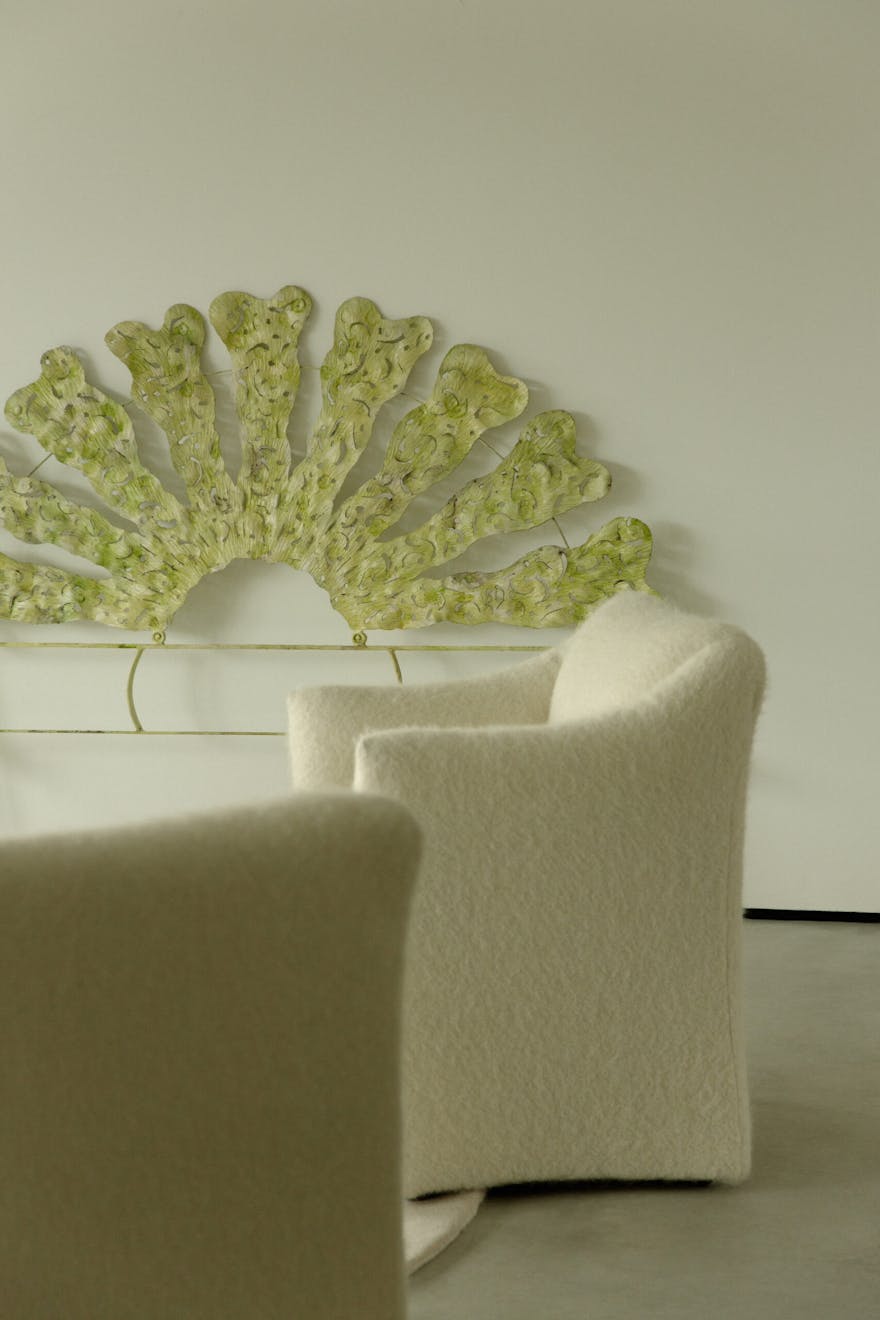
I mean, in a way, pieces that I’m very fond of or just love the aesthetic of, I prefer to keep around for a while rather than let them go straight away. That’s part of the joy, actually living with these pieces, even when it’s just coming into the office. I have to love the pieces I’m surrounded by. I can’t just sell something because it might turn a profit, that doesn’t interest me at all. I need to come in and be inspired by everything around me, because it adds joy, drama, interest or even peace.
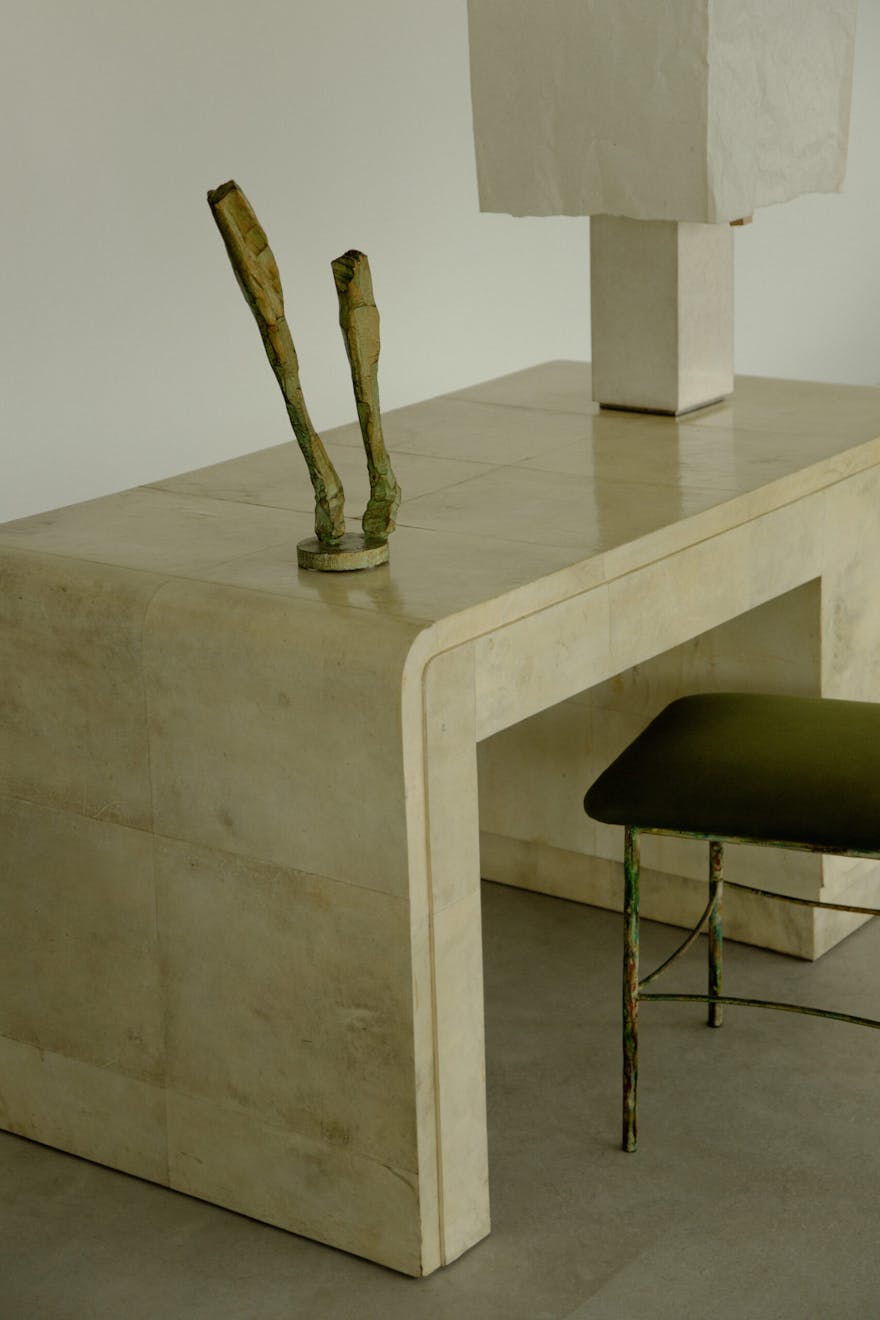
I think staging is all about contrasts. First you need a lot of contrast in texture and then there might be a contrast in form. I really like to play with scale. The Akari lampshade from the fifties is far too big and is exactly the same size as the dining table beneath it, or the David Horan desk lamp that is three times bigger than you would normally put on a desk. I think it is that play in scale that just creates a bit more interest and fun and also brings a bit of drama. If you are staging, obviously we have staged the gallery, but if you were staging a house those are the things to think about that add character.
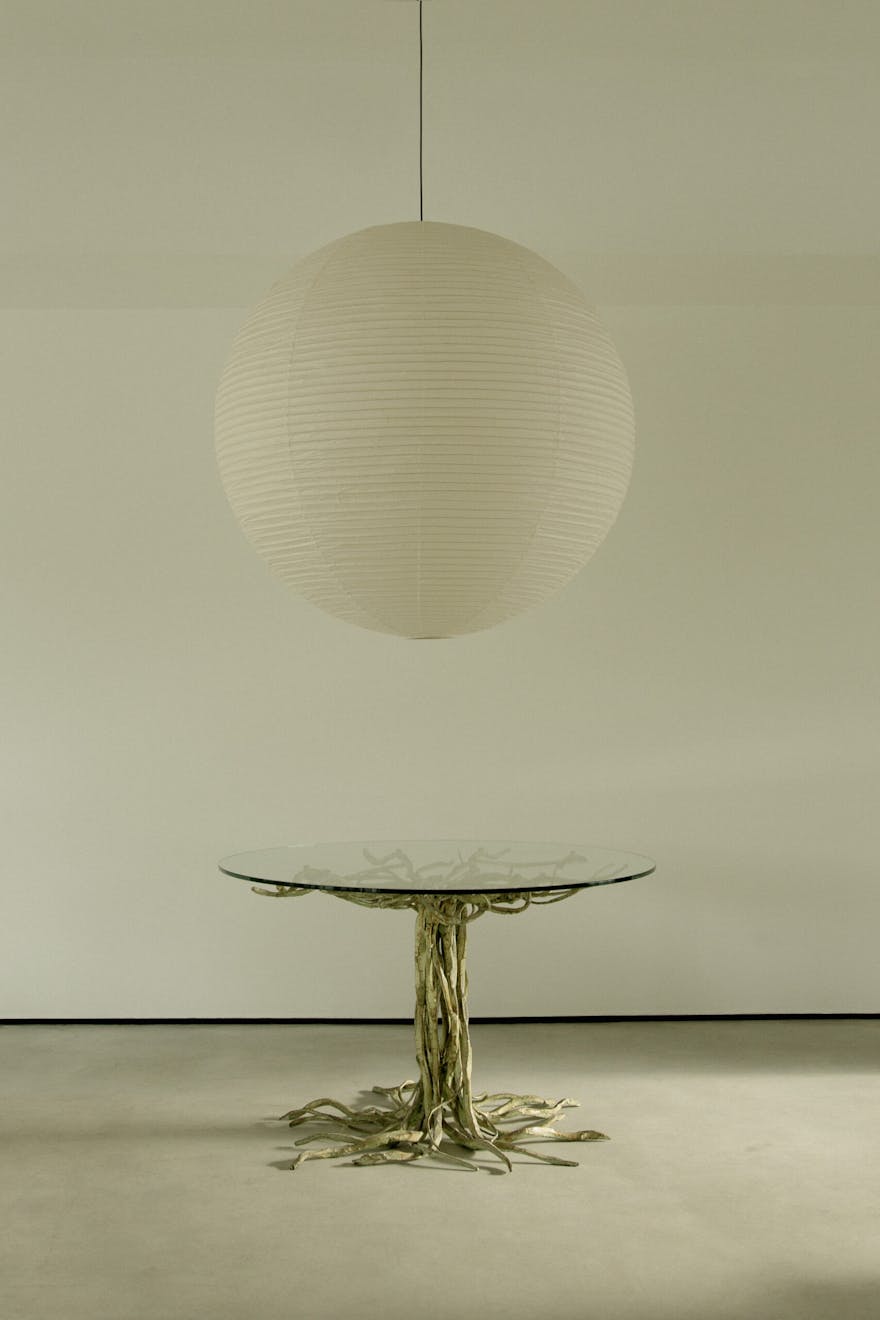
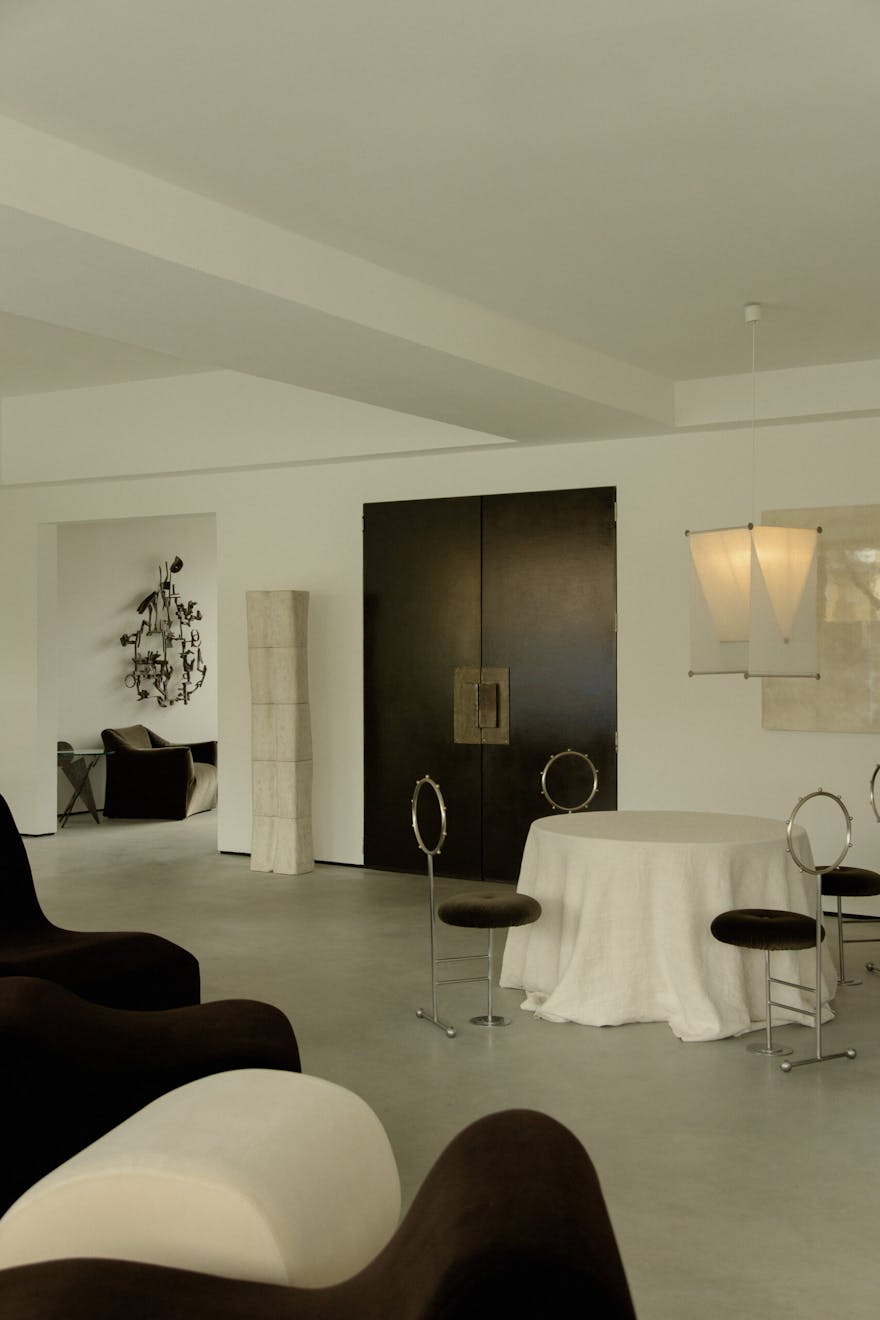
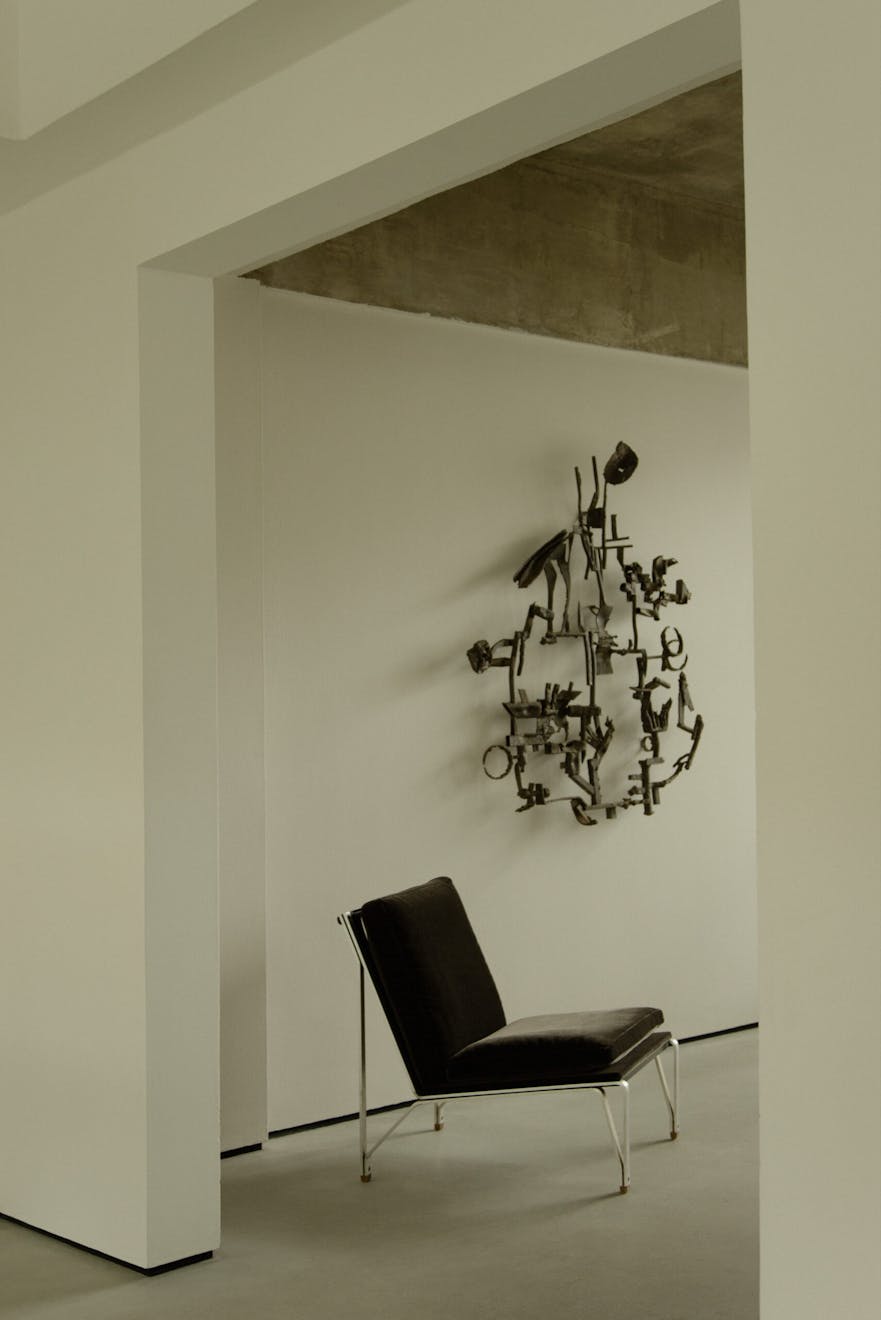
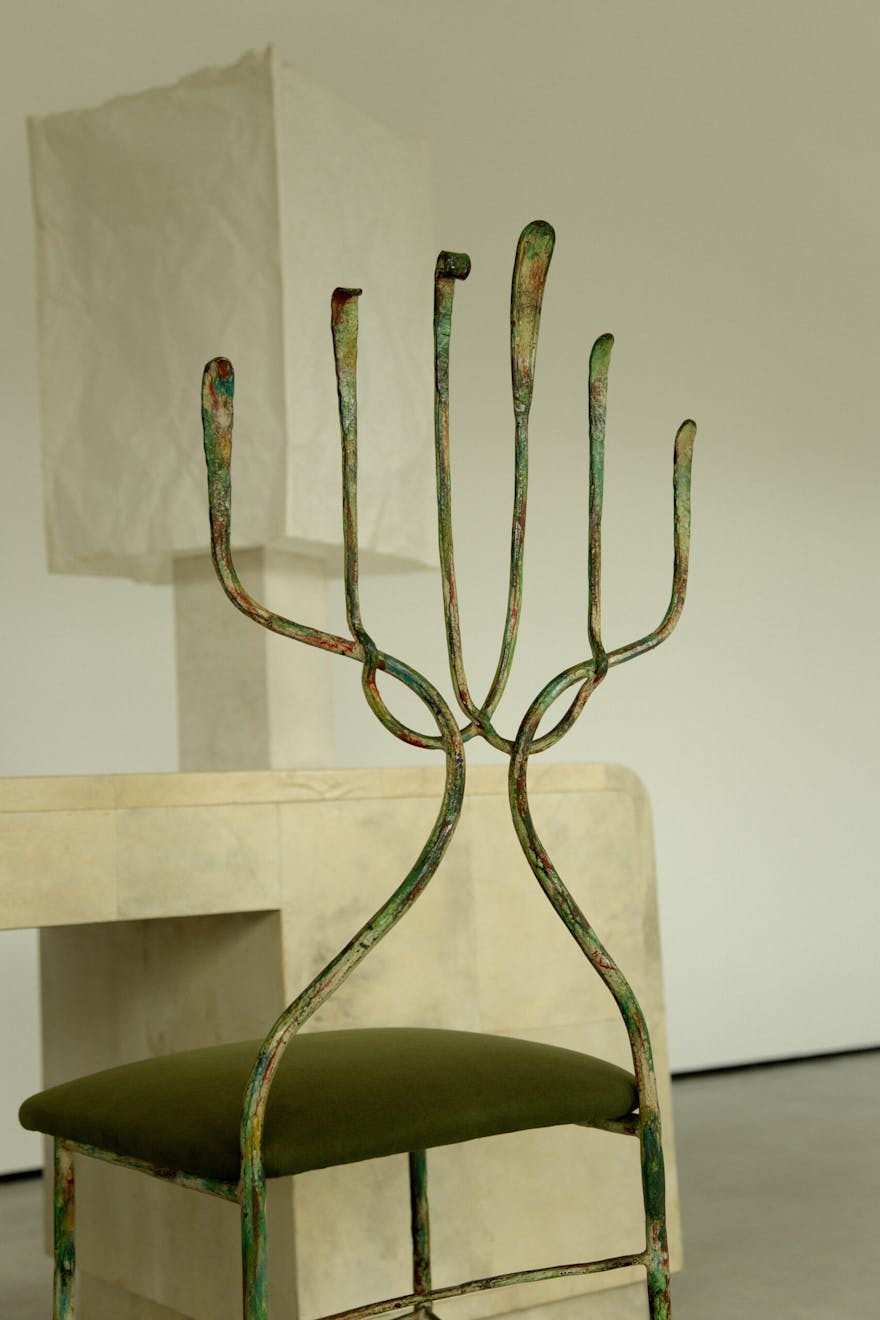
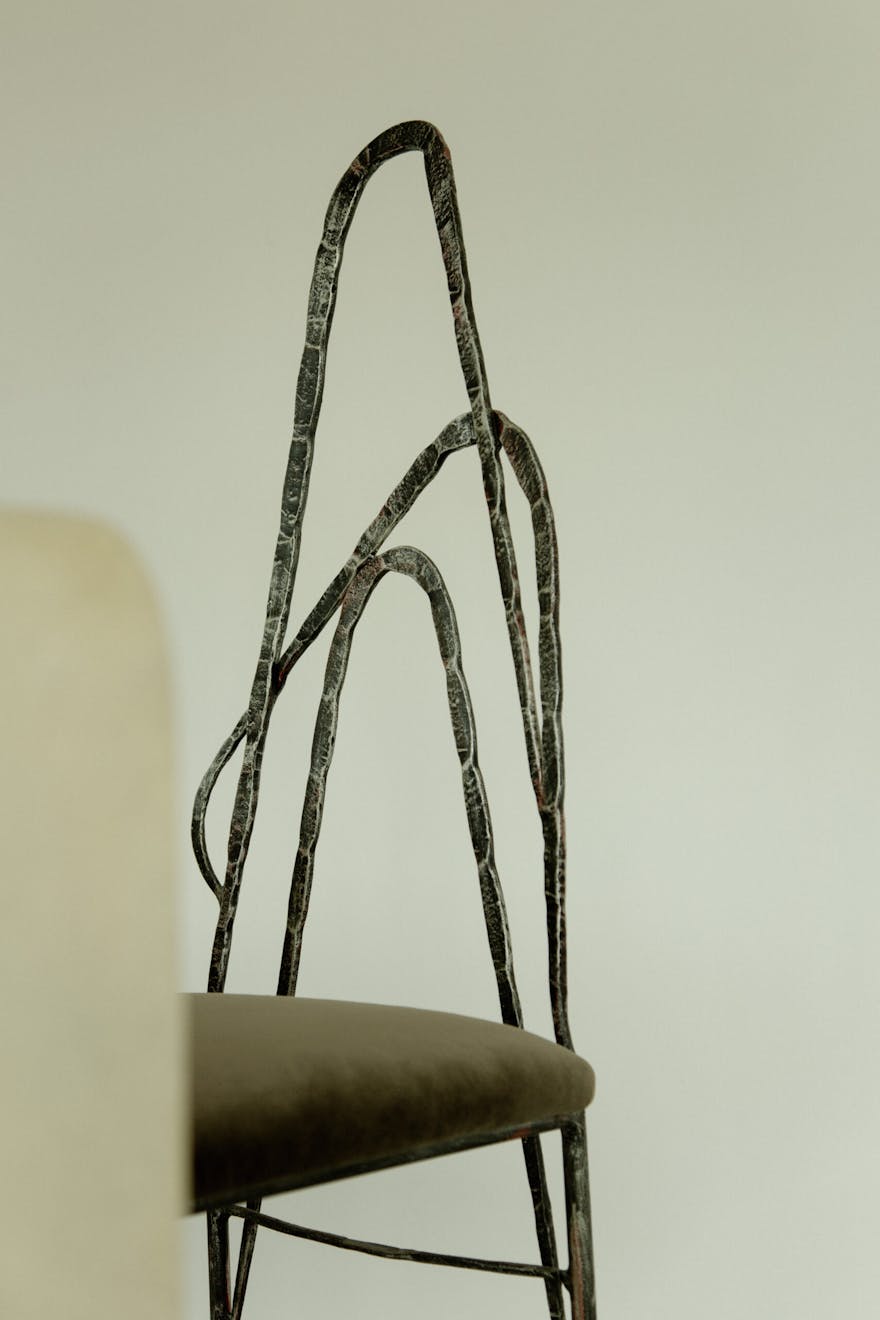
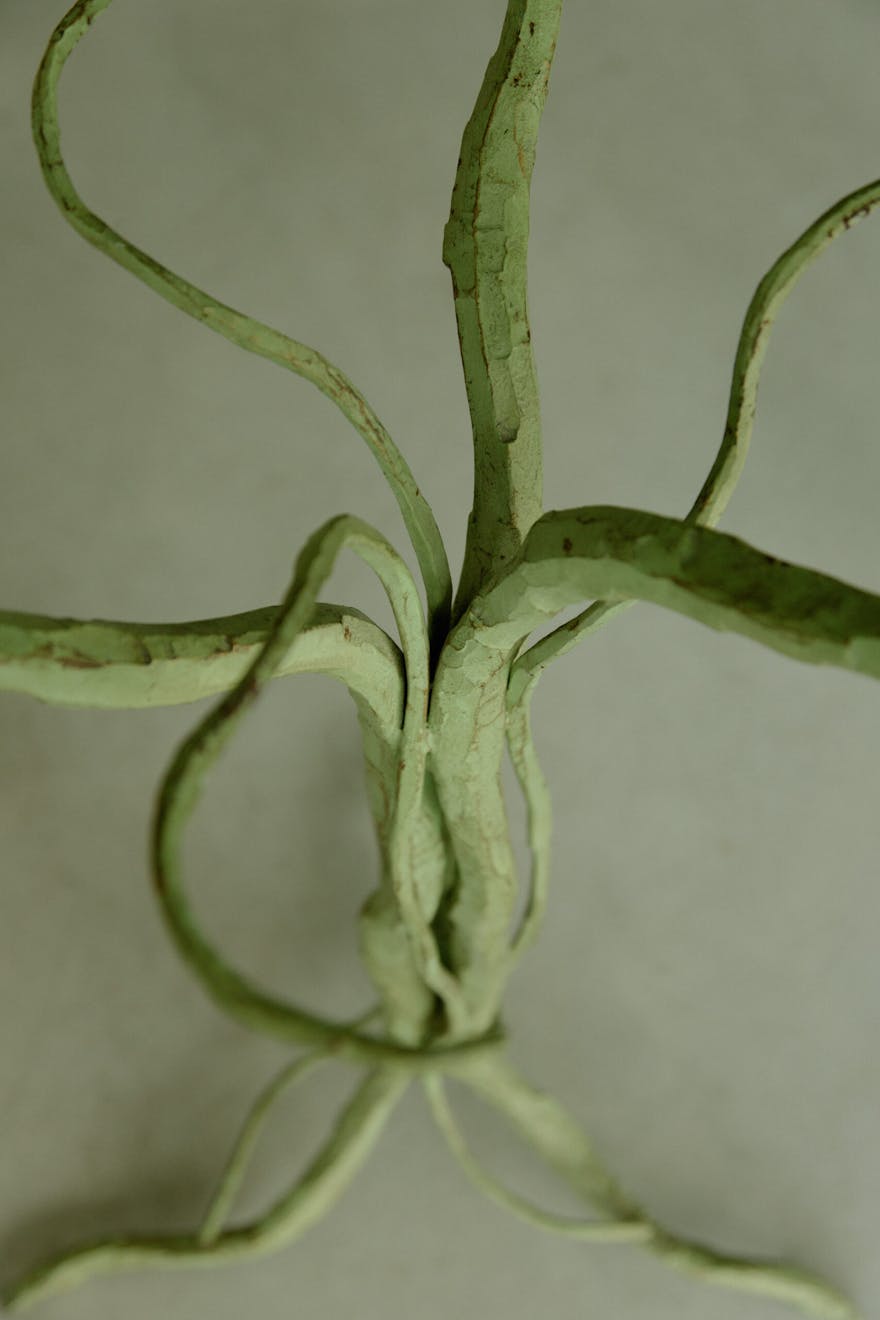
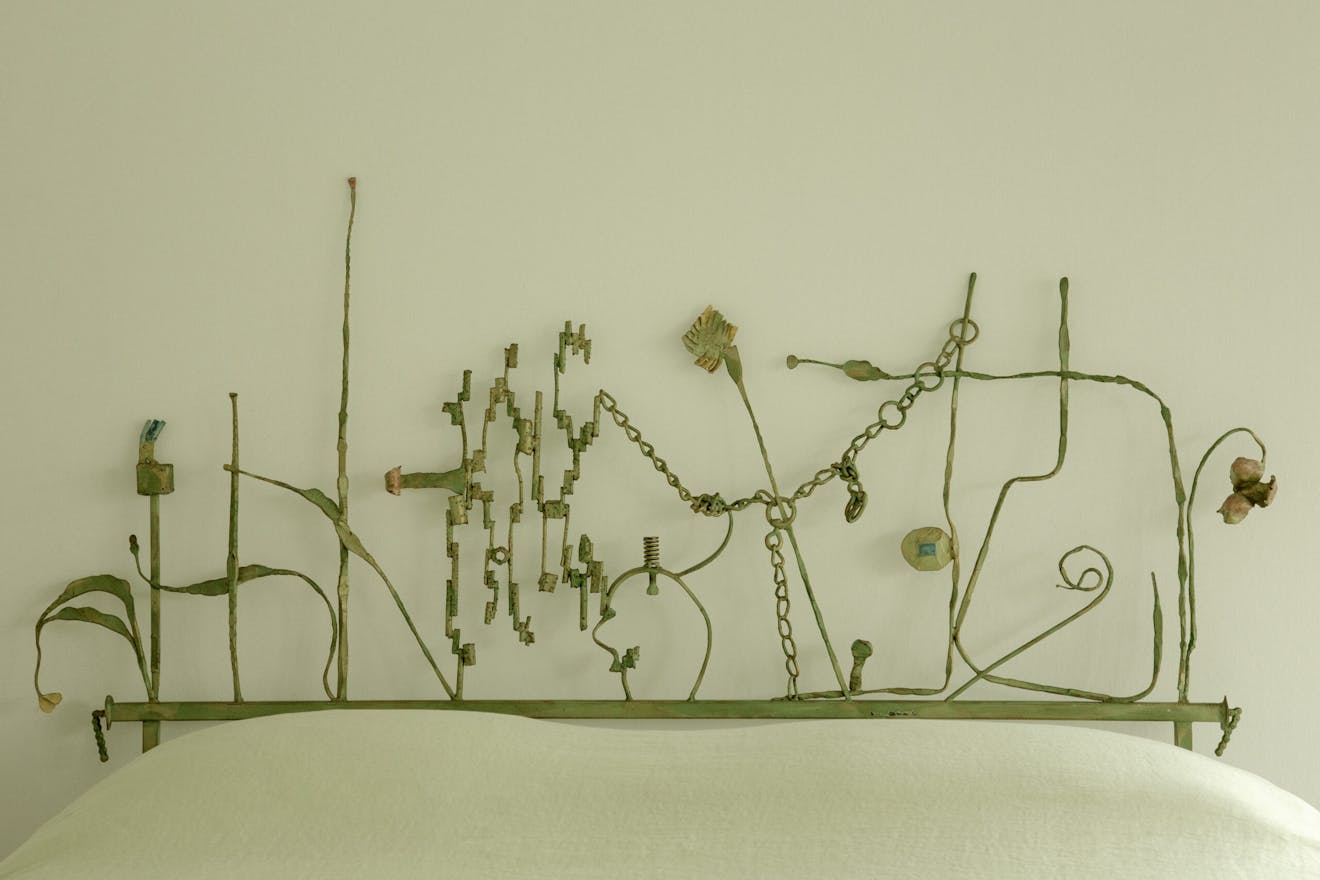
Normally we’re known for our minimalism and monochrome palette and being a bit more restrained, a little more monastic. Then we came across the artist Salvino Marsura, whose estate we are looking after now. The injection of his wild, surrealist ironwork pieces has been the thing that lifts the whole space.
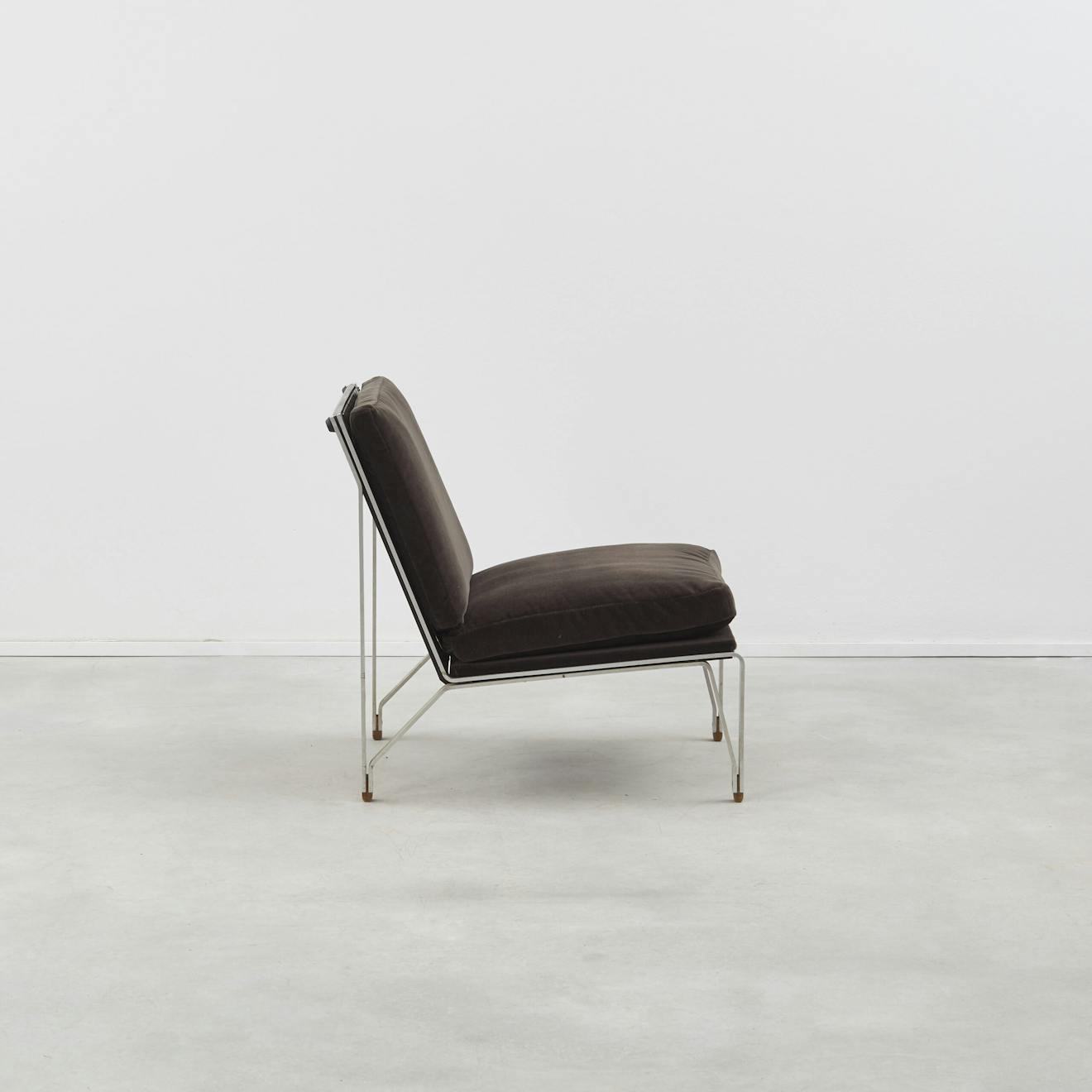
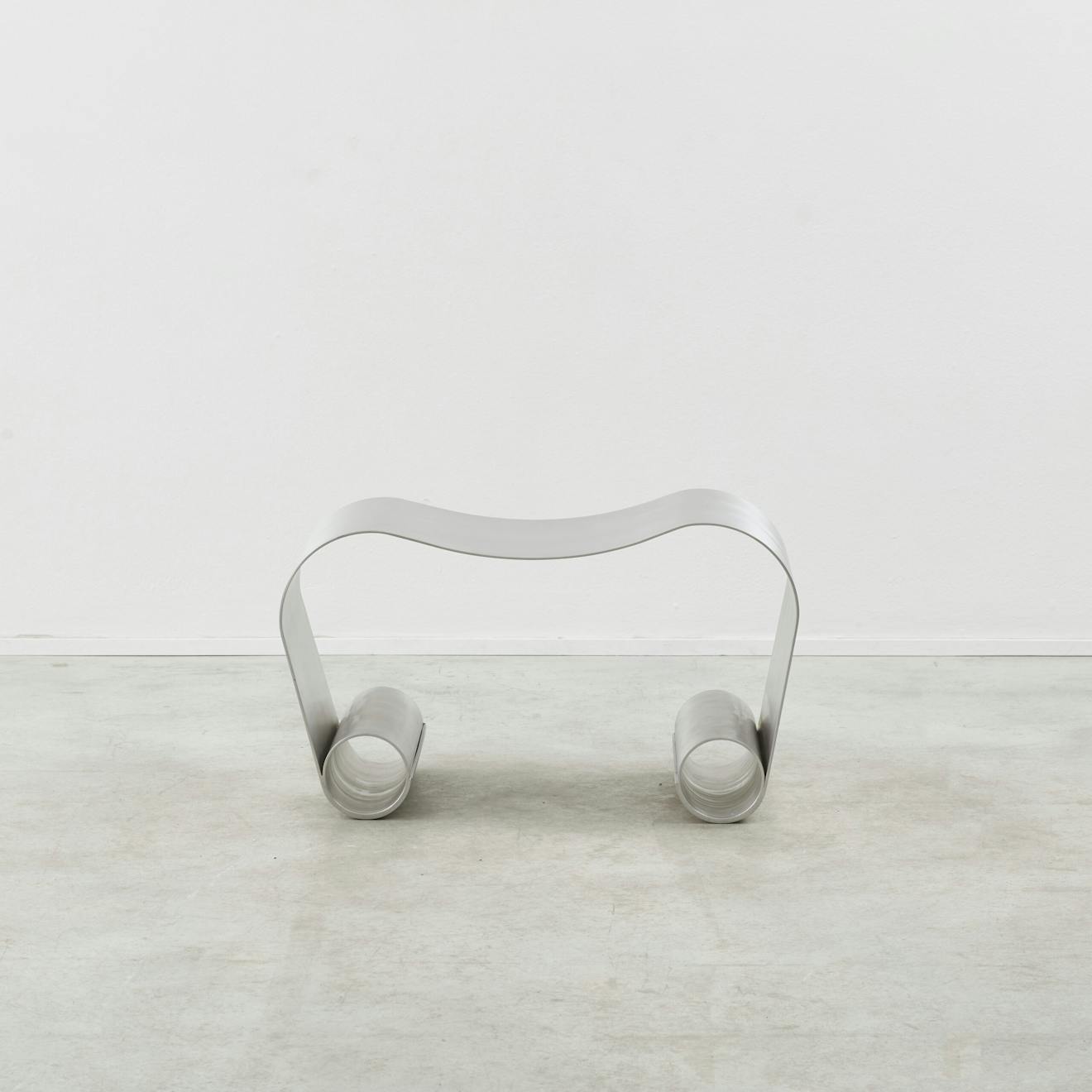
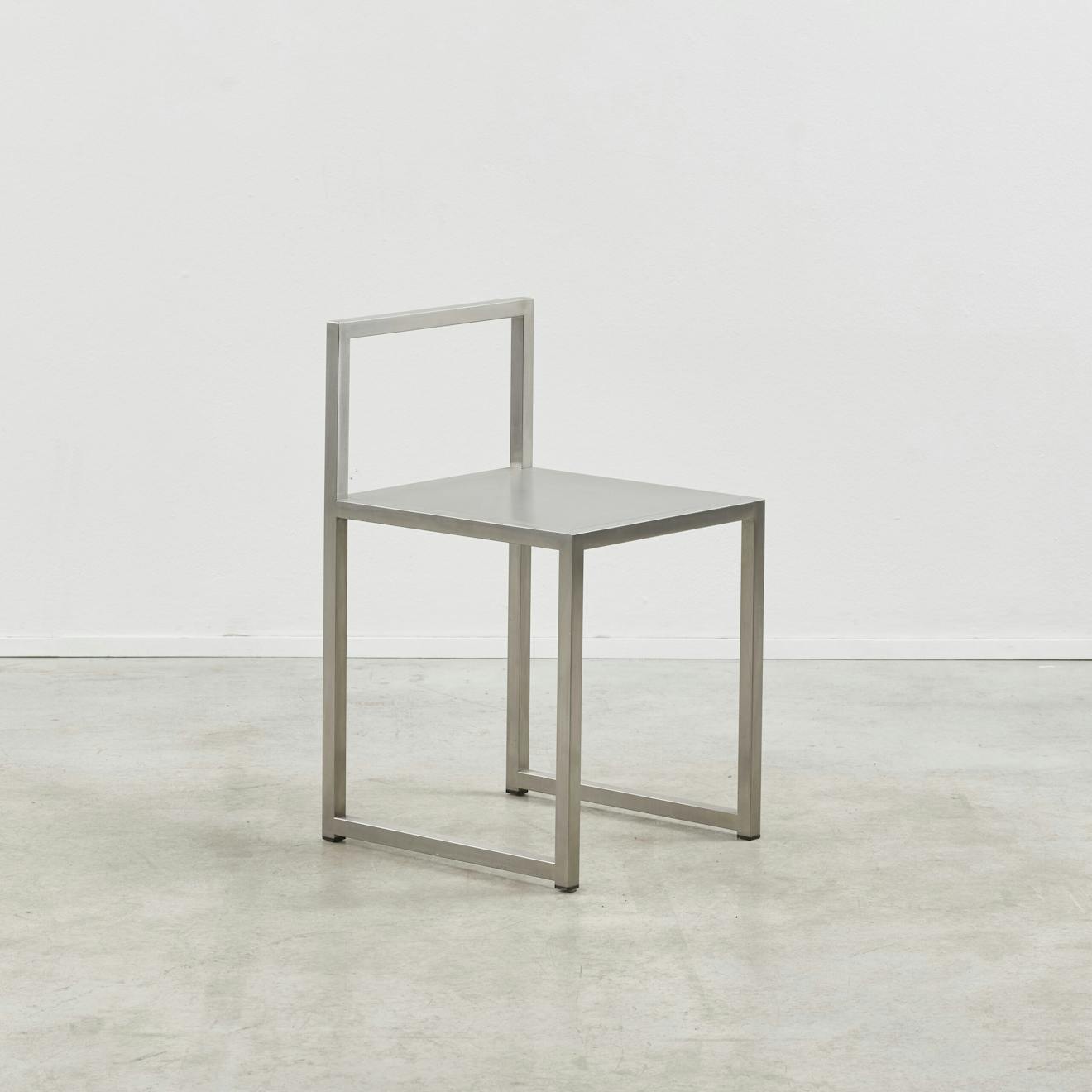
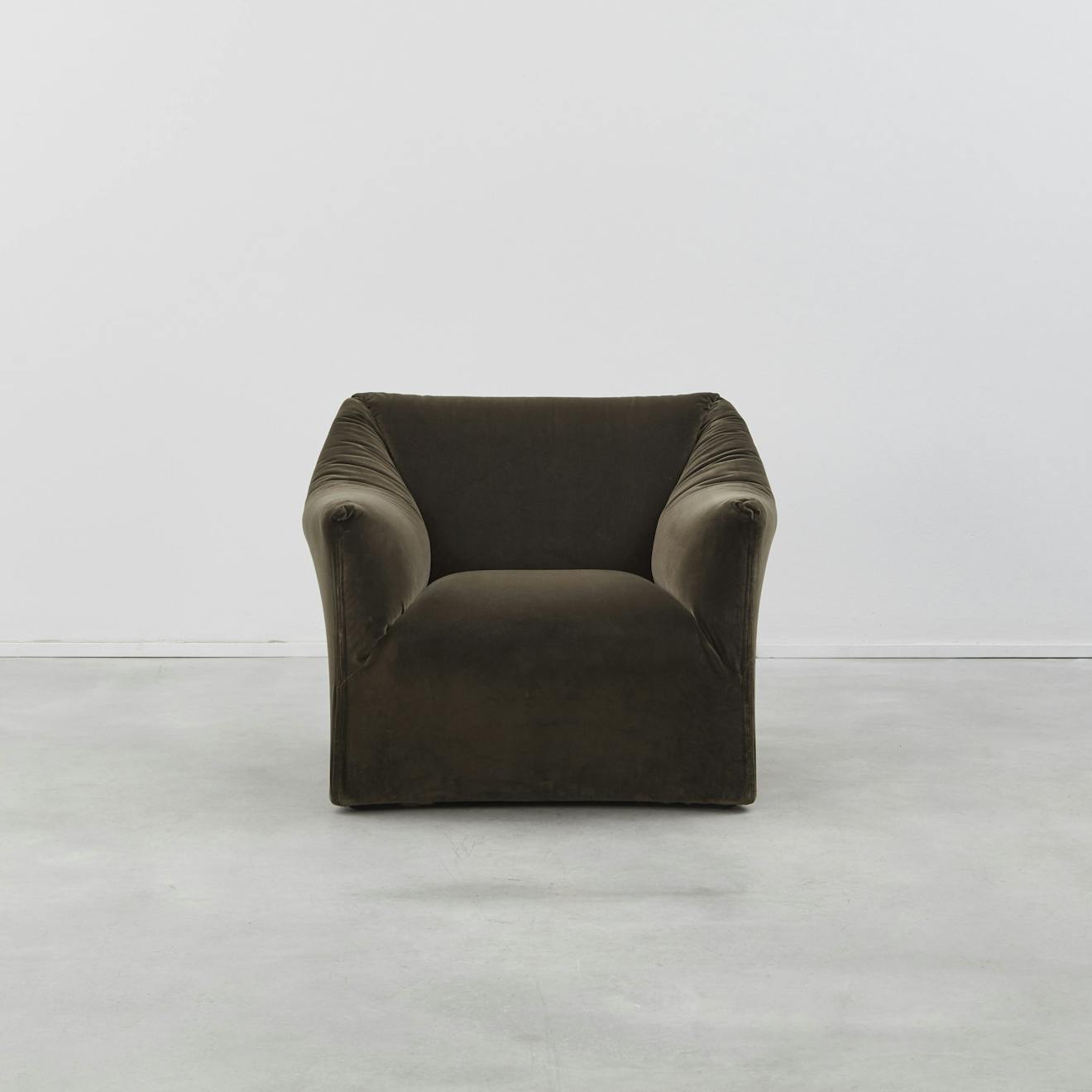
Béton Brut also hires out some of the pieces they’re selling. Below is a selection of four of their most popular chairs.
For more information on the gallery please click here.